
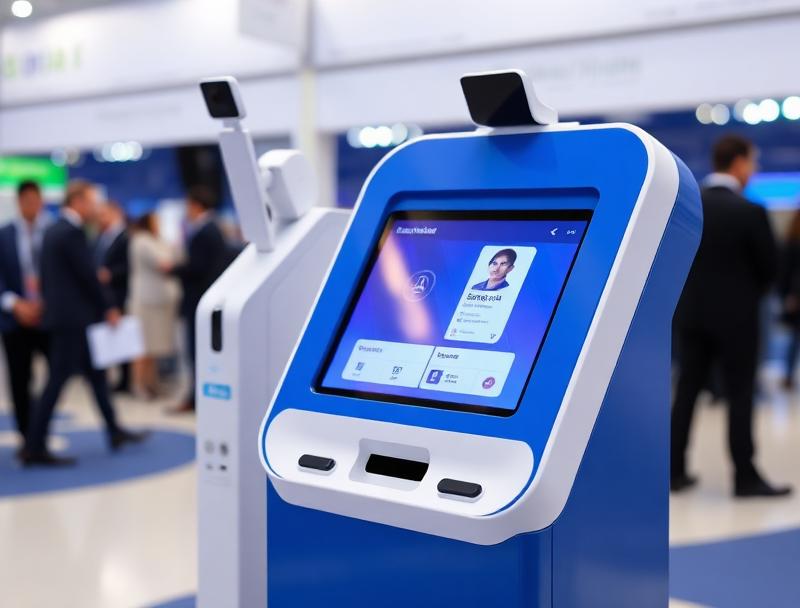
Feeding production teams, security, artists, volunteers and suppliers requires control over who can redeem a meal, where and during which shift. A QR voucher linked to each credential prevents duplicate redemptions and makes catering reconciliation measurable.
A festival, fair or town celebration can involve hundreds of workers with different schedules and needs. When meal vouchers for staff and volunteers are distributed on paper, organisers struggle to know how many were issued, who used them and which catering point should invoice each service.
A QR meal voucher system connects credentials, shifts and POS terminals. Each person receives only the allowances assigned to their role, and every redemption is recorded immediately.
1. A meal allowance linked to each profile
Organisers can assign breakfast, lunch, dinner, water or specific menus according to company, role, date and schedule. The QR can be part of the existing credential, removing the need for another ticket or wristband.
Build and breakdown crews
Technical teams, artists and production
Security, cleaning and medical services
Volunteers and partner associations
Suppliers with agreed meal allowances
2. Limits by day, shift and redemption point
Every voucher follows clear rules: one meal per day, a valid time window and approved redemption points. This prevents out-of-hours use without asking catering staff to interpret separate lists.
3. Fast redemption from a POS or validator
The outlet scans the credential and receives an immediate response. If the allowance is available, the system consumes it; if it has already been used or is invalid for that period, the reason is shown so the issue can be moved away from the main queue.
| Need | Paper vouchers | With Woolando |
|---|---|---|
| Allocation | Manual distribution | Rules by profile |
| Identification | Separate ticket | Same QR credential |
| Redemption | Collect a coupon | Instant validation |
| Dietary menu | Extra lists | Authorised information |
| Reconciliation | Count paper | Report by outlet |
4. Special menus without exposing extra data
A profile can indicate the authorised menu type, such as vegetarian or gluten-free, while showing the outlet only the information needed to serve it. Organisers should design this process around privacy and their food-safety procedures.
5. Traceable shift changes and exceptions
If a shift runs late, an authorised manager can add an allowance, change its time window or reactivate a cancelled voucher. The update records the user and time, replacing informal exceptions that are impossible to reconcile later.
6. Clear settlement for caterers and food trucks
The final report breaks down redemptions by day, service, outlet, company and menu type. Promoters can compare agreed services with meals actually served, giving every operator a shared basis for invoicing.
7. Credentials, meals and operations in one system
Digital vouchers reduce paper, shorten staff breaks and improve meal forecasting. Woolando connects QR credentials, access control and POS tools so looking after the event team is as organised as serving the audience.