
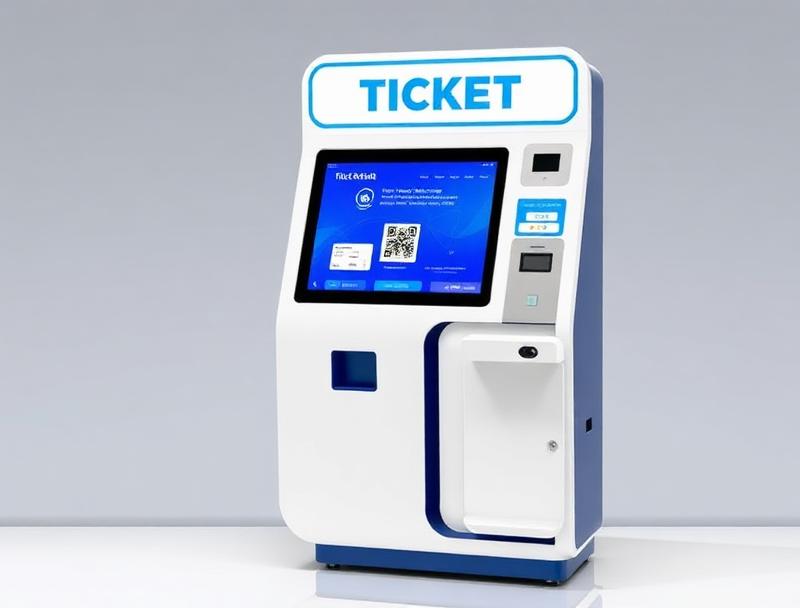
When someone can no longer attend, an official resale channel recovers the place without exposing the buyer to duplicated codes or moving the transaction outside the ticketing system.
Event ticket resale happens whether or not the promoter organises it. When someone cannot attend, they may post their ticket on social media or send it to a stranger. The buyer cannot know whether the QR has been sold more than once, while the organiser loses visibility over who will take the place.
An official resale channel for QR tickets keeps the return and new purchase inside the ticketing system. The old code is cancelled, inventory is updated and the new attendee receives a valid credential in their own name.
1. Define which tickets may be resold
The policy should explain eligible products, deadlines, pricing and fees before the original purchase. A numbered seat, season pass or named experience may each need different rules.
Deadline for listing a ticket
Fixed price, permitted ceiling or original value
Priority order for the waitlist
Timing and conditions of the seller payout
2. Lock the QR during the transaction
Once listed, the ticket changes status so the seller cannot use it while it is available. If it is withdrawn before sale, it may be reactivated; if another person buys it, the original QR is cancelled permanently.
3. Connect supply to the waitlist
Returned places can be offered first to people who joined the waitlist when the event sold out. A time-limited purchase link preserves the order and automatically passes the ticket to the next person if checkout is not completed.
| Stage | Digital control | Outcome |
|---|---|---|
| Listing | Eligibility and price | Authorised offer |
| Reservation | Temporary lock | No double sale |
| Purchase | New QR | Secure access |
| Settlement | Traceable payout | Reconciled close |
4. Issue a new ticket to the buyer
Resale should not mean forwarding the same PDF. The system creates a new ticket, updates the required details and retains its relationship with the event, session, fare and seat. Only the latest active QR can be validated at the door.
5. Manage pricing, fees and settlement
The flow separates the seller proceeds, service fees and any authorised price difference. Settlement may happen after purchase or after the event, depending on the policy, with visible statuses for support and accounting.
6. Keep capacity and the box office in sync
Official resale uses the same inventory as the website, box office and kiosks. A seat cannot appear free in two channels, and staff can resolve incidents from the history without accepting screenshots or unclear payment evidence.
7. Turn a cancellation into a second sales opportunity
Organisers can measure listings, time to repurchase, recovered demand and final attendance. Woolando connects ticketing, waitlists, payments and QR access control so every place returns to market under clear rules while entry remains reliable.