
When an attendee cannot go, sending a screenshot of the original ticket exposes both buyer and event to duplicates. A controlled transfer cancels the old QR, identifies the new holder and preserves traceability through admission.
Ticket transfers are common at festivals, concerts and sports events. Forwarding a PDF or screenshot lets two people retain the same code, and only the first to arrive will be able to validate it.
A digital name-change flow with a secure QR replaces the previous credential with a new one. The organiser stays in control and the recipient knows the ticket is valid.
1. Why forwarding a QR is not a transfer
Copying a ticket does not change its holder or remove existing copies. It also provides no reliable record of who requested the change or when. A transfer must be a system operation, not merely a file share.
Immediate cancellation of the original QR
A unique code issued to the recipient
Date, source and new holder recorded
Separate confirmations for both parties
Rules by ticket type
2. A simple journey for sender and recipient
The holder starts the transfer through a secure link, enters the recipient's minimum details and confirms. The new attendee accepts the conditions and receives a ticket; from that moment, the earlier code no longer works.
3. Rules that protect the organiser
Products can follow different policies. A promoter may allow one or more changes, set a deadline, exclude invitations or special named tickets, and charge a clearly disclosed administration fee.
| Requirement | Manual forwarding | Controlled transfer |
|---|---|---|
| Old QR | Remains active | Cancelled |
| Holder | Not updated | Details updated |
| Traceability | No record | Complete history |
| Policy | Ad hoc decision | Automated rules |
| Admission | Duplicate risk | One valid QR |
4. What admission staff see
The validator accepts only the current credential. If someone presents the cancelled code, it displays a clear exception without revealing unnecessary data. Authorised staff can review the history to resolve exceptional cases away from the main queue.
5. Name changes at the box office
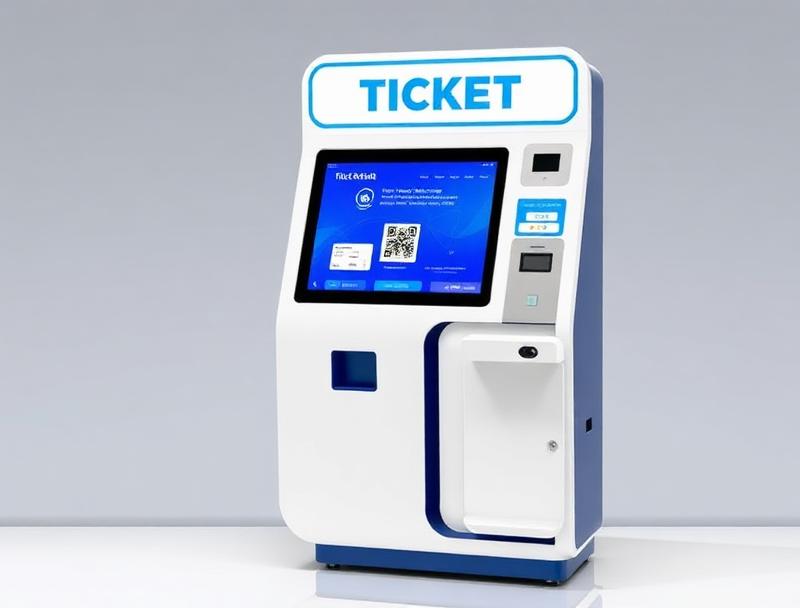
For attendees who need assistance, a connected box office can find the order, verify the request and complete the change. The new ticket can be emailed or printed at a kiosk while keeping the same audit trail as an online transfer.
6. Transfer does not mean uncontrolled resale
Allowing a name change does not require an open secondary market. The organiser decides whether to permit free transfers, return tickets through refunds or integrate official resale with capped prices and conditions.
7. Less fraud and better customer service
A visible policy reduces enquiries, prevents duplicate screenshots and gives customers a safe option when plans change. Woolando connects ticketing, payments, box office and QR access control so every update reaches the venue in real time.