
A pilgrimage brings residents, associations, transport operators and council teams together across routes with limited times and spaces. QR ticketing organises registration, assigns bus departures and shows actual attendance without printed lists.
Pilgrimages and municipal community events combine travel, meeting areas and activities in a single high-attendance day. When places are managed by phone, separate forms or paper lists, duplicates appear and it becomes difficult to know who will use each service.
A QR ticketing system for pilgrimages brings registration, payment, transport and validation together. Councils and organisers share one inventory from the release of places to the return journey.
1. Create clear registration options
Bookings can distinguish participants, companions, minors, associations and authorised vehicles. Each option collects only necessary data and applies resident rates, free places or quotas transparently.
Individual or group registration
Consent for minors
Accessibility requirements
Optional transport or meal services
2. Assign buses and times without overselling
Each departure has a time, stop and capacity. Participants choose an available slot and receive the details on their ticket, while online and in-person channels draw from the same allocation.
3. Validate one QR at every operational point
The code identifies the booking and included services. It can be scanned when boarding, entering a capacity-controlled area or collecting a meal, blocking duplicate use without issuing separate documents.
| Point | Check | Outcome |
|---|---|---|
| Departure | Slot and stop | Orderly boarding |
| Venue | QR ticket | Live capacity |
| Service | Included entitlement | Collection recorded |
| Return | Assigned route | Places controlled |
4. Handle changes and incidents
If someone changes departure, loses their phone or transfers a place, staff can find the booking, reissue the ticket and keep an audit trail. Released places can return to inventory or a waiting list.
5. Coordinate safety teams
Recorded arrivals provide an operational count by departure and area. Teams can anticipate peaks and size resources using shared information while minimising personal data.
6. Measure participation for next year
Registrations, actual attendance, bus occupancy and service use reveal how many places to open, which departures to reinforce and where to position checkpoints.
7. A tradition with simpler management
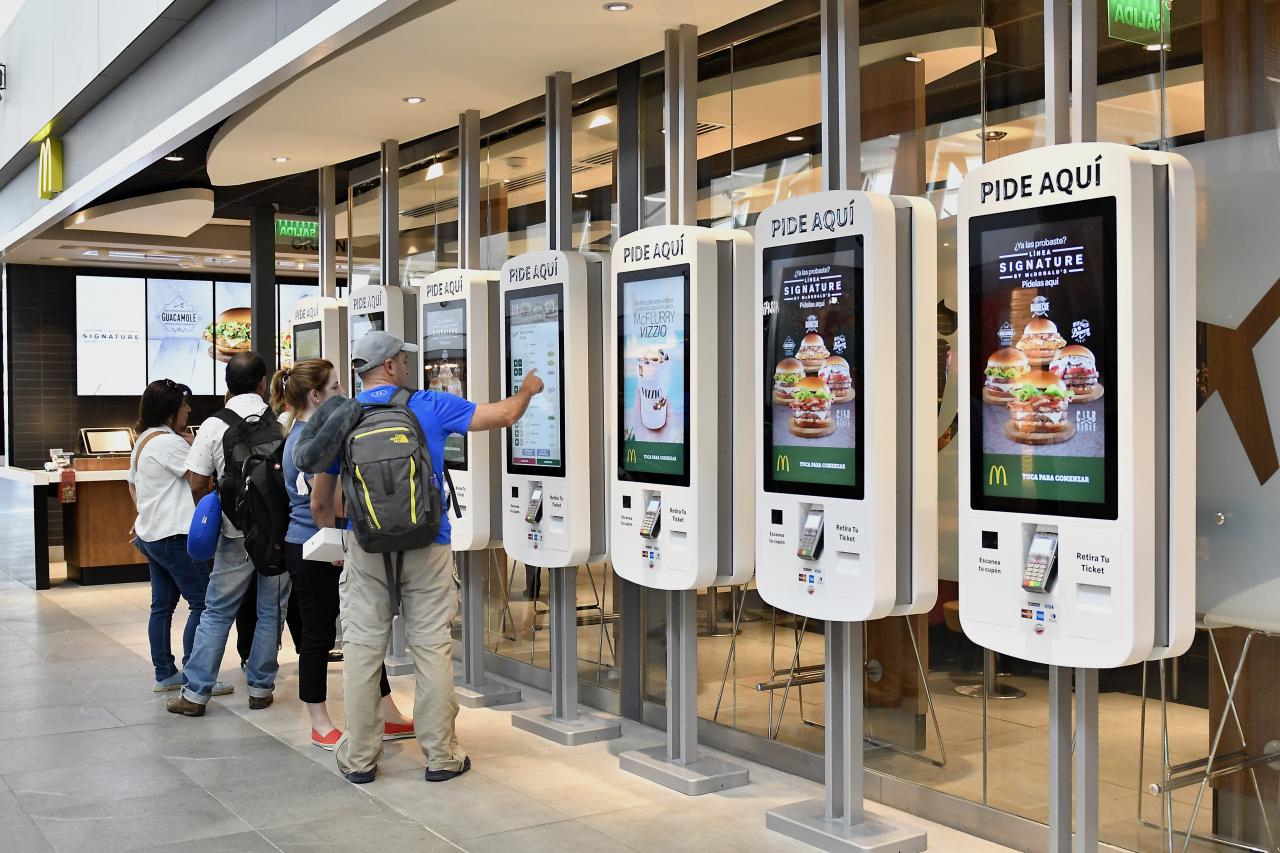
Woolando connects ticketing, payments, POS, kiosks and QR access control. Councils can preserve the event's community character while reducing manual work and improving the experience for participants and teams.