
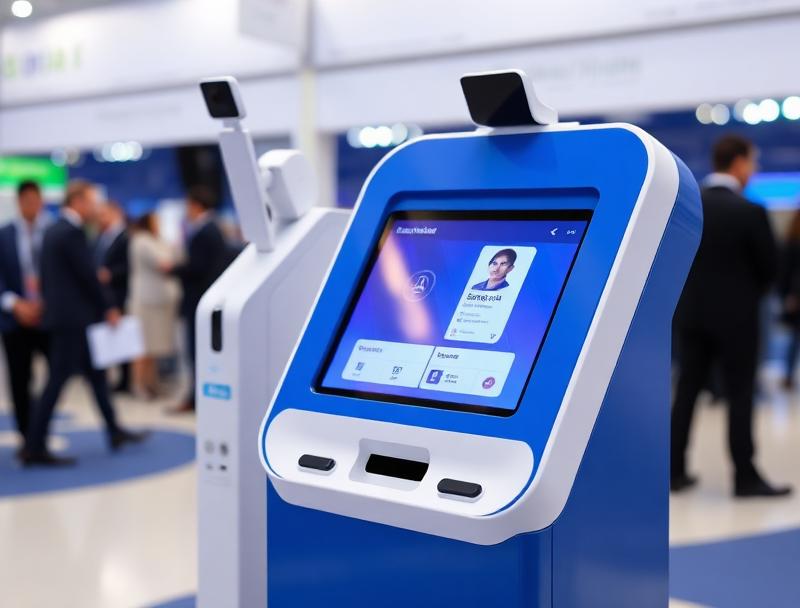
Doors open, one device will not scan, another runs out of battery and the team does not know whether to accept a rejected ticket. Renting QR readers works when hardware, software, connectivity, staff and the incident procedure have been tested as one operation.
Someone searching for QR reader rental for events needs more than devices: every ticket must be checked against the right rules, and staff must know how to handle duplicates, missing tickets and gate changes.
1. Phone, handheld scanner or professional PDA
| Option | May fit when | What to test |
|---|---|---|
| Camera phone | Simple operation with controlled devices | Focus, battery, permissions and connection |
| Connected scanner | Fixed desk with computer, tablet or POS | Compatibility, cabling and ergonomics |
| Professional PDA | Mobile gates or intensive use | App, battery life, connectivity and charging |
The choice depends on workflow, software and venue conditions. A fast reader is no help if it sends the code to an incompatible app or gives the operator an unclear response.
2. A reader does not replace the validation system
Scanning reveals a code; validation checks that it belongs to the right event, session, zone or profile, remains active and has not been used under the agreed rules. Before renting hardware, confirm QR formats, ticketing integration and the information each gate needs.
Send us the event, city, dates, expected entries and peak arrival window via WhatsApp or email.
3. Size for arrivals and gates, not capacity alone
Device numbers depend on people arriving in the busiest interval, the number and types of gates, the full validation time and expected exceptions. Plan spare units, charging points and clear replacement ownership.
Hourly throughput should not be promised without testing real tickets, venue connectivity and staff workflow.
4. What a rental proposal should include
Models, quantities, accessories, cases, chargers and docks
Software, users, events and configured rules
Ticket import or integration, scope and testing
Connectivity plan and contingency procedure
Delivery, inventory, training, return and responsibilities
Support hours and channel, with on-site support if agreed
Ask for written exclusions. Shipping unconfigured, untested hardware is not the same as a ready access-control operation.
5. Test the journey and exceptions
Testing should cover valid, duplicate, cancelled and wrong-session samples, plus different permissions. Check printed tickets and screens at different brightness levels, operator changes, connection loss, low battery and terminal replacement.
Staff need a specific action for each status and an incident desk or owner that keeps the main queue moving.
6. Data, permissions and event close
Each operator should access only what they need. Define what the terminal displays, who can view logs, retention periods and how data is returned or deleted when the service closes. The final report should separate accepted entries, rejections and incidents within the agreed scope.
7. How Woolando can help
Woolando sells, rents and provides equipment under agreed arrangements, and delivers end-to-end projects throughout Spain. We can tailor readers, terminals, ticketing, accreditation, QR validation and integrations, with on-site support when required. We first review the workflow and technical compatibility; we do not assume every reader works with every system.
Tell us the city, dates, gates, peak arrival, ticketing system and support needs via WhatsApp or email info@woolando.es.