
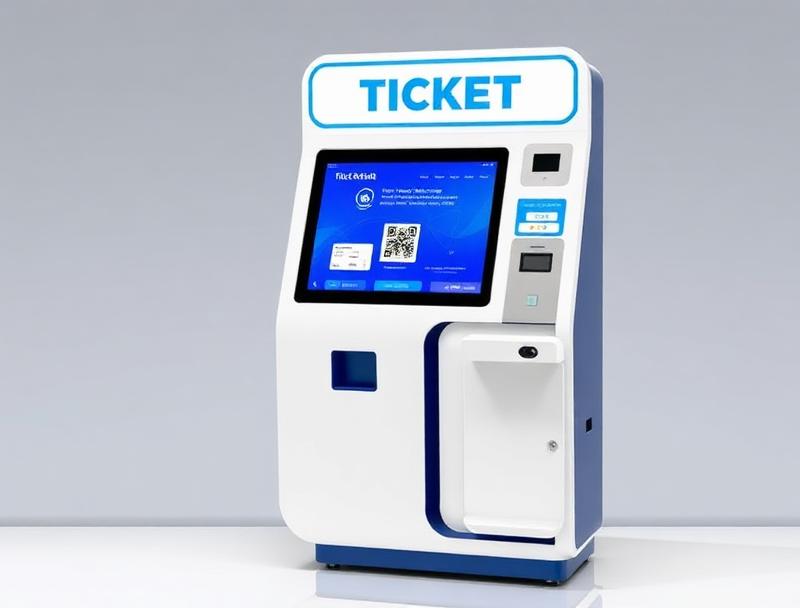
A municipal museum may welcome school groups, independent visitors and special activities on the same day. QR ticketing organises every flow with timed entry, live capacity and faster admission.
Municipal museums and temporary exhibitions need to combine easy admission, gallery protection and inclusive visitor service. When advance sales, groups and walk-up tickets converge, a manual list or a ticket disconnected from capacity creates queues and limited operational visibility.
A museum QR ticketing system brings bookings, the box office, kiosks and validation into one platform. Visitors choose a time and the team knows expected occupancy before the doors open.
1. Timed entry tickets
Time slots distribute arrivals and protect capacity in smaller galleries. Each ticket type can have its own allocation: general, concession, free, school group or guided visit. One QR scan confirms the date, time and applicable conditions.
2. Connected online, box-office and kiosk sales
Visitors do not all buy in the same way. Online sales support planning, while the box office and kiosk serve spontaneous visits. A shared inventory means every channel takes places from the same allocation and prevents overselling.
Advance purchase from a mobile phone
Assisted box-office sales
Multilingual kiosk self-service
Digital QR or printed ticket issuance
3. Fast admission and capacity control
Staff validate the QR with a phone or reader and receive an immediate response. The system detects previously used tickets, incorrect times and cancelled bookings. When exits are also recorded, the museum gains live occupancy data for more precise decisions.
| Channel | Visitor need | Operational benefit |
|---|---|---|
| Website | Plan the visit | Forecast demand |
| Box office | Personal assistance | Resolve exceptions |
| Kiosk | Self-service purchase | Shorter queues |
| QR control | Immediate entry | Live capacity |
4. Groups, schools and guided visits
A group booking can generate one collective QR or individual credentials, depending on the operation. The system records attendance, language, assigned guide and booked activity, replacing phone calls and separate spreadsheets.
5. Well-managed pricing and accessibility
The catalogue can apply resident, youth, family and group prices, alongside free days and promotional codes. Confirmations can include accessibility guidance, the meeting point and change policies to answer questions before arrival.
6. Data for better programming and communication
Bookings and scans reveal popular slots, no-show rates, sales sources and attendance by audience type. The council can use these insights to reinforce staffing, extend opening hours and assess cultural impact without relying on estimates.
7. A smoother cultural experience
Woolando connects ticketing, POS, kiosks and QR access control so museums and exhibition spaces can manage every visit in one system. The institution gains traceability and visitors spend less time waiting and more time enjoying the exhibition.