
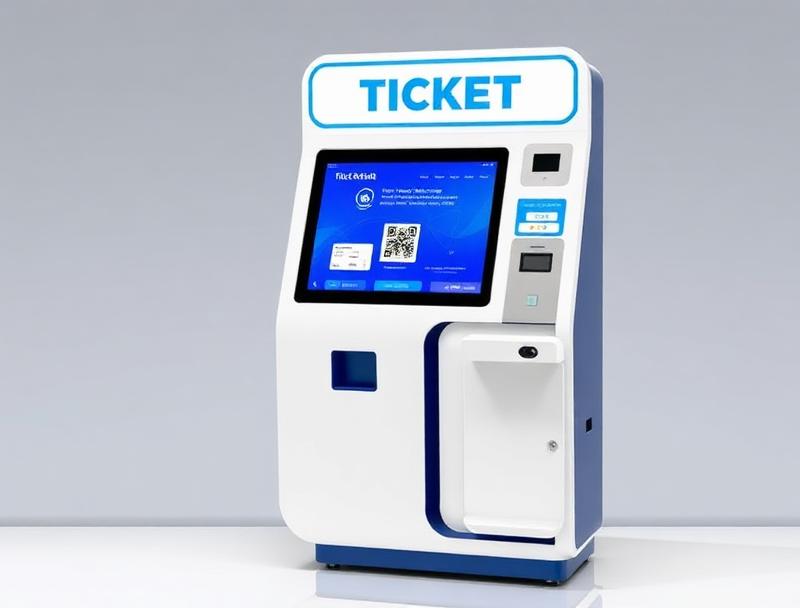
When an event has numbered seating, every sale must reserve one specific seat and keep it synchronized across the website, box office and guest list. A seating plan connected to ticketing and QR access prevents double bookings and speeds up admission.
In theatres, auditoriums, galas and seated concerts, every sale must lock one specific seat. When online sales, the box office and guest allocations use separate lists, double bookings and unrecorded changes often surface at the venue door.
A numbered seating and QR ticketing system keeps inventory synchronized from seat selection to admission, giving organizers control and visitors a clear destination.
1. Why numbered tickets need tighter control
General admission only requires a total capacity limit. A seated venue also manages rows, sections, accessibility, technical holds and different price bands. Every change must update all sales channels.
The same seat sold through two channels
Temporary holds that never expire
Protocol or guest seats outside the inventory
Seat changes that are difficult to communicate
Box office queues caused by last-minute issues
2. How a connected seating plan works
Customers view available seats, compare areas and choose a location. The seat is held during checkout and, after payment, a unique QR ticket displays section, row and seat. If checkout expires, the seat returns to sale.
Online sales, box office desks, kiosks and internal allocations all use the same live inventory.
3. Box office, kiosks and guests in one inventory
A connected box office can sell remaining seats, relocate a visitor or reprint a ticket without checking external spreadsheets. Kiosks retrieve bookings, while guest and protocol seats remain fully traceable.
Online: visual selection and advance payment
Box office: assisted sales, changes and support
Kiosk: booking retrieval and ticket printing
Protocol: identified holds and invitations
4. What the QR checks at the door
The QR confirms that the ticket is active, valid for that performance and unused. Staff can see the section, row and seat, guide visitors immediately and move exceptions away from the main queue.
| Need | Separate systems | With Woolando |
|---|---|---|
| Availability | Channel lists | Single inventory |
| Reservation | Manual hold | Timed hold |
| Admission | Visual check | QR validation |
| Relocation | Paper note | Updated history |
| Reporting | Later count | Occupancy by area |
5. Where numbered seating adds the most value
Municipal theatres and auditoriums
Galas, award ceremonies and institutional events
Concerts with numbered stands or stalls
Festivals with indoor seated sessions
Sports events with hospitality and reserved sections
6. Data that improves every performance
Organizers can review sales by area, actual attendance, no-shows, arrival times and seat changes. The data helps refine pricing, release holds and plan staffing for future sessions.
7. An orderly journey from purchase to seat
Visitors want to choose confidently, receive their ticket instantly and find their seat without confusion. Woolando connects seating plans, ticketing, box office, kiosks and QR validation in one inventory to reduce incidents and make better use of every venue.