
Learn how real-time capacity control works, its advantages and how to implement it at events, fairs and festivals. QR technology, dashboards and professional validation.
Controlling capacity in real time has become a fundamental necessity for any modern event, especially municipal fairs, festivals, concerts, cultural activities and major festivals. Security, fluidity of access and the ability to react to peak influx directly depend on having updated information second by second.
The town councils and organizers that have adopted digital systems to control capacity have achievedreduce crowding, improve the visitor experience and completely professionalize event management. In this article we will explore why real-time capacity control is so advantageous, how it works on a technical level and how to implement it without complications.
🟦 1. What is real-time capacity control?
It is a system that allows you to know, minute by minute, how many people are within a venue, area or zone of an event.
The system automatically collects the information they generate:
QR validators
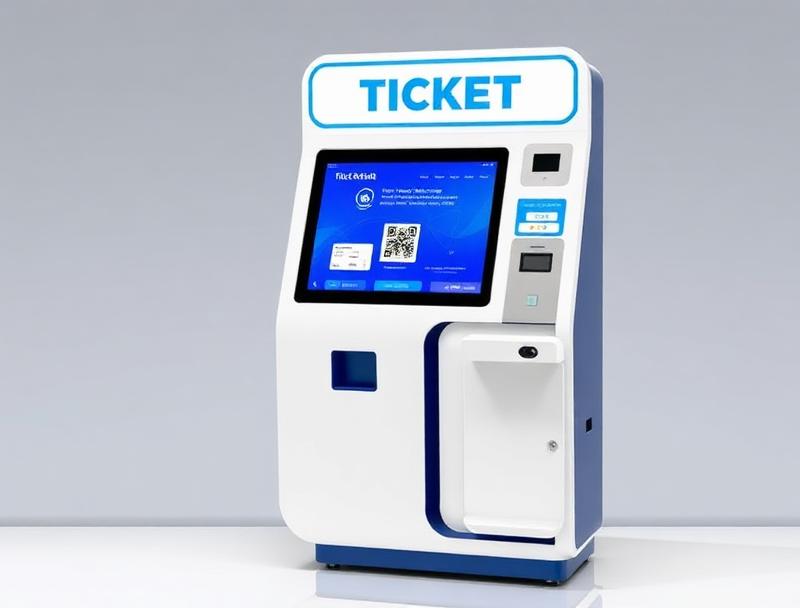
Self-sale totems
Access and re-entry
Secondary doors or internal areas
All this information reaches acentral control panel, from where the organizers can see the exact status of the capacity.
Instead of relying on estimates or manual counts, the system offers:
Accurate data
Real time synchronization
Automatic alerts
Complete traceability
🟦 2. Why capacity control is so important
Before digitalization, event capacity was managed through rough calculations or manual counts, which was imprecise and risky. Today, with thousands of people accessing in a matter of minutes, it is essential to have a solid system that allows us to know precisely how many attendees are inside the venue.
✔ Citizen security
The number one goal of any event is to ensure the safety of the public. Excess capacity can cause:
Dangerous crowds
Risk in evacuations
Problems in critical areas
Non-compliance with regulations
Real-time control allows preventive measures to be activated before a real risk exists.
✔ Fluidity in accesses
If it is detected that a door is becoming saturated, alternative accesses can be opened or personnel can be reinforced.
✔ Legal compliance
Civil Protection, Firefighters and security forces increasingly demand more reliable data.
✔ Visitor experience
Fewer lines and greater order translate into a more pleasant experience for the public.
✔ Transparency before public organizations
Automatic reports allow you to justify:
Subsidies
Event costs
Impact data
Public spending
🟦 3. How real-time capacity control works technologically
A professional system is made up of several elements that work synchronized:
✔ Digital tickets with QR
Each visitor presents a unique QR, which guarantees:
Security
Traceability
Control over re-entries
Impossibility of duplications
✔ QR validators
They can be:
dedicated terminals Mobile phones with
app Fixed readers on
totems
automatic doors They workonline or offline, which is essential in rural areas or open-air fairs.
✔ Synchronization between all accesses
Every time a QR is validated, the system updates the global count.
✔ Professional control panel
From this panel organizers can see:
Current total capacity
Admissions per minute
Re-entries
Door accesses
Internal areas with independent capacity
Alerts when approaching the maximum allowed
This panel can be consulted from a computer, tablet or even mobile phone.
🟦 4. Key advantages of real-time capacity control
🟩 1. Reinforced security
Organizers can act immediately in the event of any sudden increase in attendance.
🟩 2. Elimination of queues
Combined with several validators, the system distributes the flow and avoids waiting.
🟩 3. Improving the visitor experience
Quick access generates greater satisfaction from the first minute.
🟩 4. Exact data for future planning
It is possible to know:
The peak time of the event
Which doors work best
How many people re-enter
How long the average stay lasts
This helps to plan future editions accurately.
🟩 5. Total transparency
City councils can show real and verifiable data.
🟩 6. Integration with digital consumption
At gastronomic fairs, you can also control:
Digital tokens
Tastings
Products sold with QR
All in a single ecosystem.
🟦 5. How to implement real-time capacity control in your event
Implementing it is simpler than it seems. These are the recommended steps:
🟩 1. Define the maximum capacity
Based on regulations, square meters and safety recommendations.
🟩 2. Configure the sale or reservation of tickets
Visitors receive a ticket with a unique QR.
🟩 3. Install QR validators at each access
Preferably several per door to avoid queues.
🟩 4. Activate the real-time capacity panel
The municipal or event team can easily see it.
🟩 5. Control independent zones (if applicable)
For example:
Tasting area
Stage
Workshops
Children's area
VIP area
🟩 6. Review reports automatically
Upon completion, the system generates:
Total attendees
Peak hour
Time of stay
Entries per door
Re-entry control
No manual work.
🟦 6. Woolando.es: leader in digital capacity control
Woolando offers a complete solution for:
Digital ticketing
Multi-access QR validation
Real-time capacity control
Professional panel for organizers and town councils
Self-sale totems
POS for fairs
Accreditations and staff control
Perfect for municipal fairs, festivals, festivals, concerts and sporting events.