
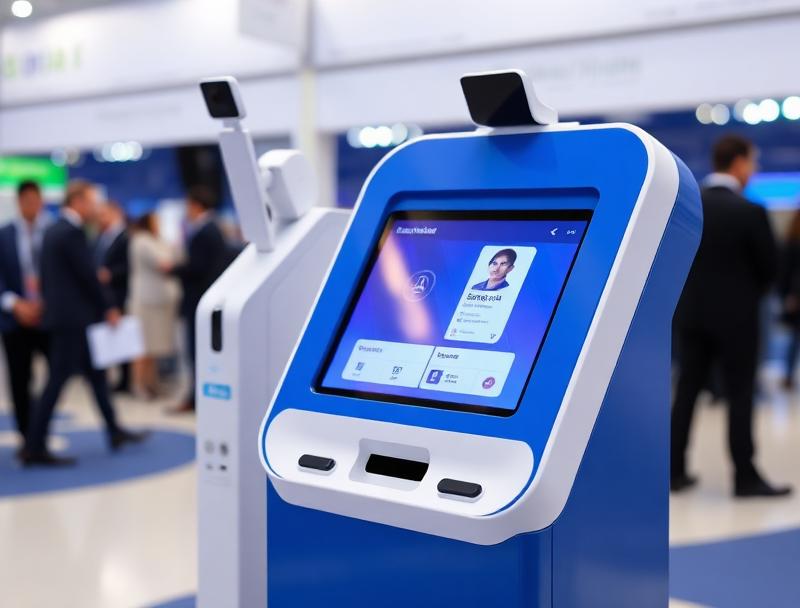
Learn how to manage child access, family permissions and meeting points with QR wristbands for festivals and town celebrations without queues or confusion.
Festivals, town celebration concerts and large municipal events now welcome more families than ever. When a child enters with a generic wristband, loose paper or a simple hand stamp, real control is minimal and the team has very little context if something goes wrong inside the venue.
With a QR wristband system for children, organizers can connect access, family permissions, meeting points and safety rules in a single workflow. The result is faster entry and a calmer experience for families, event staff and public authorities.
1. Why child access is often the first operational bottleneck
Many events mix children of different ages, family areas, specific activities and supervision rules. If all of that depends on manual checks, queues grow quickly and every question slows down the gate.
The most common issues are:
Slow entry when staff must review printed permissions
Difficulty telling apart accompanied children and authorized profiles
Poor traceability if a wristband is lost or damaged
Slow incident handling when families get separated inside the venue
Limited visibility for security and event coordination teams
When the workflow is disconnected, family access stops being a thoughtful service and turns into another gate problem.
2. How a child QR wristband works at the entrance
Each child can receive a unique QR wristband linked to a booking, ticket purchase or prior registration. That code can be associated with age, the responsible adult, contact details and the permissions defined for the day.
At the entrance, the team can instantly verify:
Whether the child belongs to a valid ticket for that day or time slot
Whether entry requires a linked adult companion
Whether the child can access a family activity or specific area
Whether the wristband has already been validated or needs replacement
Whether there is a previous incident attached to that registration
This removes the need for visual checks and scattered lists and replaces them with one operational source of truth.
3. Where permissions and meeting points fit into the workflow
The biggest challenge is not only moving families through the gate, but also knowing how to react when plans change, relatives split up or a child needs support during the event. In a centralized platform, the QR wristband can coexist with the details that information, security and support teams need.
This makes it possible to:
Register family permissions in advance or at an assisted point
Link several children to one responsible adult
Recover a record if a wristband is lost or damaged
Handle meeting-point questions and simple incidents faster
Separate family support from the main entry queue
The value is not only the QR itself, but the traceability that helps the team react with more confidence.
4. Benefits for festivals, town celebrations and city councils
Digitizing child access improves the sense of safety for families and gives organizers clearer criteria for operations. This matters even more in venues with multiple gates, night concerts or family programs with heavy attendance.
| Need | Manual workflow | With Woolando |
|---|---|---|
| Child identification | Generic wristband | Unique traceable QR |
| Permissions | Paper or visual check | Record linked to access |
| Replacements | Slow search | History-based recovery |
| Family incidents | Scattered handling | Centralized data |
| Gate control | Different criteria | Unified rules |
That structure improves operational order and projects a more professional image to families, sponsors and public institutions.
5. What organizers can monitor in real time
When wristbands, access and support points work together, the event dashboard becomes useful while the venue is live, not only after it ends.
Registered children already validated by gate or time slot
Rejected entries caused by missing supervision or permissions
Wristband replacements and support requests handled on site
Family arrival peaks that justify more staff
Incident history tied to the responsible adult
With that visibility, teams can open a family lane, move information staff or reinforce a children area before congestion appears.
6. Where this model delivers the most value
QR wristbands for children fit especially well in:
Festivals with family zones or age-based rules
Town celebrations with concerts, children activities and fenced venues
Municipal fairs with workshops and child-focused areas
Sporting events with fan zones and family services
City councils that need stronger safety and traceability without slowing entry
The more profiles, gates and supervision rules you combine, the more valuable a single connected platform becomes.
7. A calmer experience for families and for the event team
Families want fast entry, clear safety and a reliable support point if something happens. Organizers need ordered access, consistent rules and quick incident handling. QR wristbands help cover both sides with a much clearer process.
With Woolando, ticketing, QR validation, help points and on-site operations can work together in one platform so family-friendly events run with fewer queues, fewer mistakes and stronger real-world safety.