
A QR wristband can speed up a child's reunification with their family without printing phone numbers or personal details in plain sight. The key is combining minimal identification, permissions and a clear human protocol.
At a fair, festival or family event, a child can lose sight of their group in moments. Public announcements and paper notes may help, but they expose information, rely on everyone hearing them and provide little traceability.
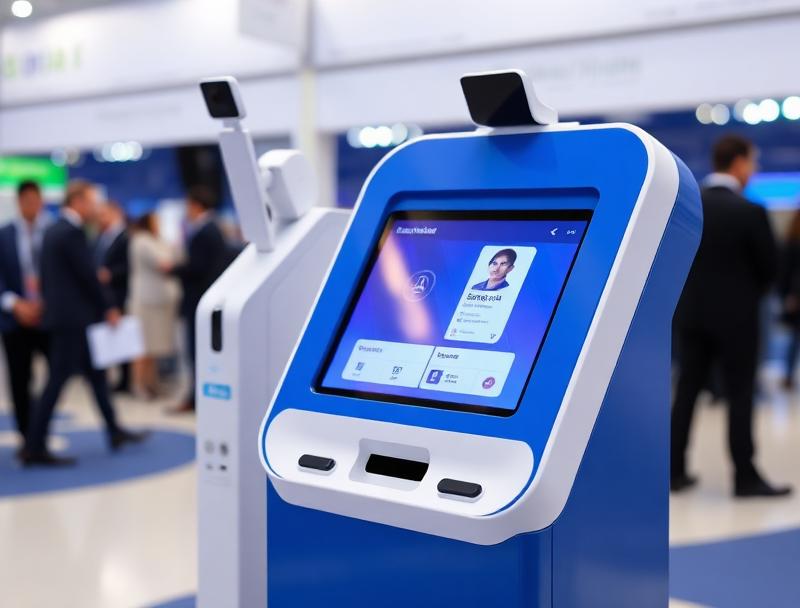
A system of QR wristbands for children lets authorised teams find the right record and start a reunification protocol without displaying personal data on the wristband.
1. Record only the necessary information
Registration can happen during ticket purchase, at a kiosk or at a help point. It should be limited to authorised contacts, an event reference and the information required to respond. The QR stores a random identifier, not a readable name or phone number.
One or more authorised adults
A verified contact number
Relevant support needs
Consent and retention period
2. Issue and activate the wristband
Staff or a kiosk links the wristband to the record and confirms that the contact works. If it is damaged or lost, the previous code is cancelled so only one credential remains active.
3. Restrict who can view information
A public scan must not reveal a child's details. Only security, the help point or authorised roles can see the instructions they need, with authentication and a log of every access.
| Stage | Digital control | Outcome |
|---|---|---|
| Registration | Minimal data and consent | Protected record |
| Issue | Unique active QR | Reliable identification |
| Incident | Role-based access | Coordinated response |
| Close | Expiry and audit | Traceable privacy |
4. Turn a scan into a protocol
The screen guides the team: keep the child in a safe place, alert the responsible lead, contact authorised adults and verify identity before handover. Technology speeds up matching, but does not replace supervision or safeguarding procedures.
5. Connect entrances and help points
Box offices, kiosks and readers can share wristband status. An incident opened at one gate is visible to the central help point, preventing different teams from making conflicting calls.
6. Close data and incidents securely
After reunification, staff record closure without unnecessary detail. Records expire after the event according to the stated policy. Aggregated reports show times, zones and resolution speed to improve signage and staffing without retaining identities longer than needed.
7. A safety layer for family events
Woolando connects registration, kiosks, QR access control and on-site operations. With suitable permissions and a tested protocol, wristbands help teams respond quickly, protect privacy and give families and organisers greater confidence.