
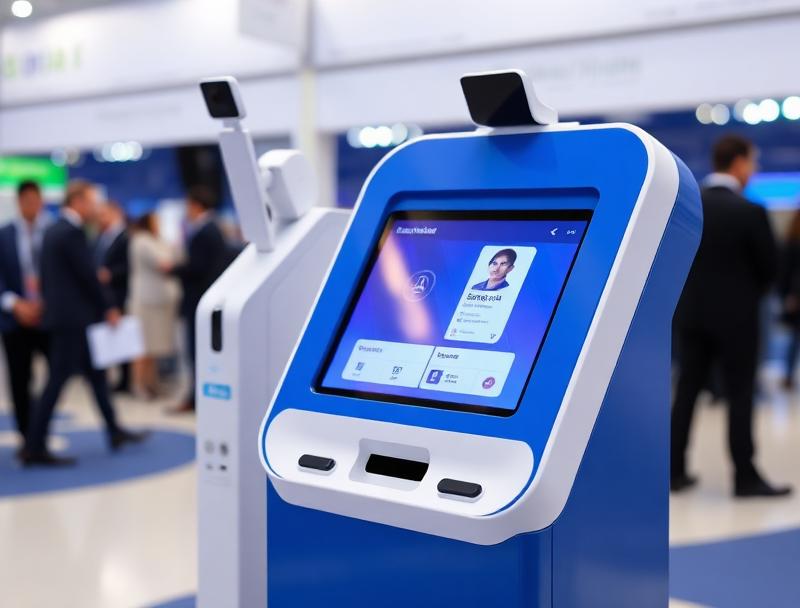
Learn how to coordinate volunteers with QR credentials, shift control and zone-based access at festivals, town councils and sports events without queues or guesswork.
Volunteers support many critical tasks at festivals, municipal fairs, road races and sports events. Managing access control, audience guidance, accreditation desks, bar support or information points requires precise coordination of people, shifts and areas. When that work depends on paper lists, messaging groups and non-traceable wristbands, confusion and delays appear exactly when the venue gets busiest.
With a system of QR volunteer credentials, organizers can identify each person, validate arrival, assign permissions by area and register shifts from one connected platform. The result is a far more reliable operation for town councils, promoters and sports clubs.
1. Why volunteer operations create so many blind spots
In many events, volunteers change duties depending on the time slot, active gate or incident that appears. That flexibility helps, but it also makes control harder when there is no shared tool behind the operation.
The most common issues usually include:
People arriving without a clear credential or with different instructions
No fast way to know who has checked in and where they are posted
Manual access to internal venues, backstage areas or support points
Shift changes that are not properly recorded
Little traceability to justify hours, incidents or extra support
When volunteer access is disconnected from the rest of the event, the team loses reaction time and depends too much on improvised coordination.
2. How a QR volunteer credential works
Each volunteer can receive a credential with a unique QR linked to their role, time slot, assigned point and access permissions. That code can be validated from a phone, tablet, scanner or assisted check-in point, and the system instantly confirms whether the person is authorized.
In a few seconds, the team can verify:
Whether the credential belongs to that event and that date
Whether the volunteer has access to a gate, technical zone or VIP area
Whether they already checked in for the shift or are trying to enter outside schedule
Whether they need equipment, briefing or a credential replacement
Whether there is a previous incident linked to that profile
That turns the credential from a simple visual pass into an operational badge with clear rules behind it.
3. Shifts, zones and reinforcements without losing control
One of the biggest challenges in volunteer management is moving people between gates, information desks, stands, fan zones or auxiliary venues without losing visibility. With a centralized platform, the organizer can update roles and permissions as the day evolves.
This makes it possible to:
Assign shifts by time slot and confirm real attendance at the start
Separate credentials for general access, backstage, bars or logistics support
Track zone changes without depending on calls or chat messages
Block inactive or out-of-shift credentials
Reinforce a specific gate with people already validated in the system
The real value is not only identifying volunteers, but giving coordination a live picture of who is available and where.
4. Benefits for town councils, festivals and sports organizations
Digitizing volunteer credentials and shifts improves operations and also makes reporting easier when public administrations, sponsors or clubs are involved.
| Need | Manual management | With Woolando |
|---|---|---|
| Volunteer identification | List or generic wristband | Unique traceable QR |
| Shift control | Manual sign-in | Check-in by schedule and role |
| Zone permissions | Visual criteria | Rules by profile and access point |
| Reinforcements and incidents | Scattered messages | Centralized dashboard |
| Final reporting | Incomplete data | Presence and access history |
That makes it easier to organize briefings, coordinate replacements and prove how every area was covered during the event.
5. What the organizer can see in real time
When credentials, access and shifts share the same platform, the event dashboard becomes useful during the live operation instead of only after it ends.
Volunteers already validated by shift, zone and supervisor
People still pending arrival or rejected at access
Post changes recorded during the day
Demand peaks at gates, information points or fan zones
Presence history for closures, reports and future editions
With that visibility, the team can move resources before a queue grows or a support point is left uncovered.
6. Where this model adds the most value
QR volunteer credentials are especially useful in:
Festivals with multiple gates, backstage and operational zones
Town festivals with support staff spread across squares and temporary venues
Town councils that need to justify hours and functions in public activities
Sports events with volunteers covering stands, gates, accreditation and audience support
Fairs and fan zones where volunteers, technical staff and vendors work together
The more teams, shifts and spaces involved, the more value there is in centralizing identification, access and presence in a single tool.
7. Better coordinated volunteers and a more professional operation
Volunteers want to arrive, know where to go and work with clear instructions. Organizers need to confirm attendance, manage access and react quickly when event needs change. QR credentials help solve both sides with less improvisation and more traceability.
With Woolando, credentials, access control, shifts and on-site operations can work in one platform so festivals, town councils and sports events run with more order, fewer mistakes and a better experience for the whole team.