
Learn how to digitize municipal summer cinemas with QR tickets, live capacity control, self-service kiosks and POS for smoother access and better on-site sales.
Municipal summer cinemas return every season to squares, parks, school courtyards and cultural venues with the same operational challenge: most attendees arrive within a very short window, organizers must handle invitations, control capacity and solve incidents without turning the entrance into a bottleneck.
With a QR ticketing system connected to kiosks, access control and POS, public organizers can structure every screening, reduce queues and run the season with much clearer visibility from the first movie to the final night.
1. Why a summer cinema requires more operations than it seems
From the outside, it can look simple. In practice, many screenings are free or low cost, the audience arrives just before the movie starts, some attendees come with a previous booking while others ask for last-minute availability, and ticketing, ushering, information and snack sales often coexist in one compact space.
The most common problems are:
Last-minute queues right before the screening begins
Difficulty knowing whether the remaining seats are real availability or unclaimed bookings
Forwarded tickets or screenshots without reliable validation
Slow incident handling when someone cannot find a booking reference
Little coordination between entry, ticket desk, information and sales points
When management still depends on printed lists or manual checks, the audience experience suffers at the most visible moment.
2. How QR ticketing works by screening, venue and capacity
Each ticket can generate a unique QR linked to a specific date, movie, venue and access rules. That QR is validated from a phone, scanner or tablet at the gate and confirms instantly whether the booking belongs to the right session and whether it has already been used.
The system can verify in seconds:
Whether the ticket matches the right day, time and venue
Whether the QR was already scanned or duplicated
How many attendees have entered and how many seats remain
Whether an invitation belongs to press, protocol or internal staff
Whether no-show capacity has been released for resale or reassignment
This means capacity control stops relying on estimates and starts running on real session data.
3. Where kiosks and assisted points add value
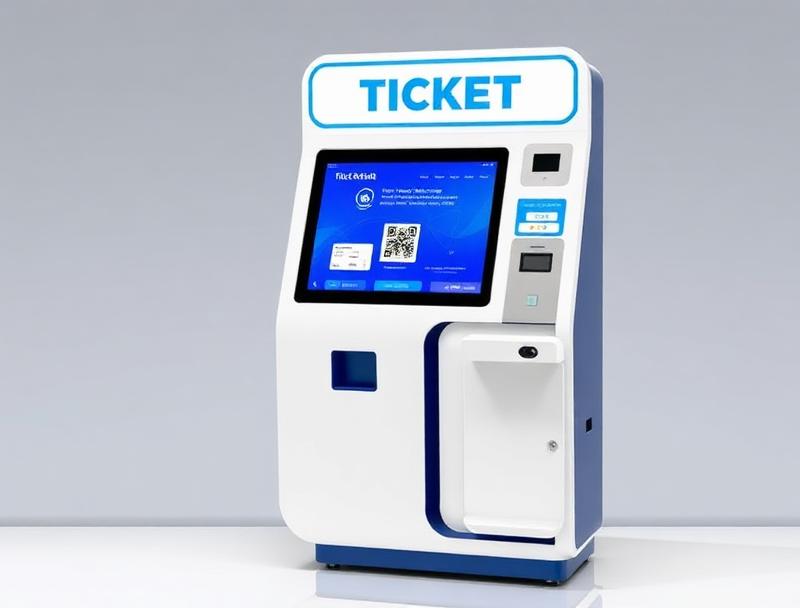
Self-service kiosks and assisted desks help distribute the workload when many people arrive at once. They are useful for checking bookings, reissuing confirmations, selling last available seats or solving incidents without blocking the main queue.
These points can be used to:
Find tickets by QR, phone number, email or booking reference
Recover or reprint a reservation in seconds
Sell last-minute seats when capacity is available
Separate incidents from the main entrance line
Inform attendees about gates, schedules and venue rules
The result is smoother entry, less pressure on municipal staff and a more professional public service experience.
4. Why it also helps to connect the POS
Many summer cinemas still run snacks, chair rentals, last-minute ticket sales or small services through isolated cash points. Connecting the POS with ticketing and access control reduces reconciliation errors and improves daily financial tracking.
| Need | Manual management | With Woolando |
|---|---|---|
| Last-minute seats | Isolated ticket desk | Sales linked to real capacity |
| Reprints | Slow lookup | Immediate recovery |
| Snacks and extras | Separate cash box | Centralized POS by screening |
| Invitations and courtesies | Loose lists | Traceable permissions by profile |
| Daily closing | Manual counting | Consolidated report |
With this structure, it becomes easier to close each night, justify results and identify where extra staff or another service point is needed.
5. What organizers can see in real time during each screening
When ticketing, access control, kiosks and POS share the same operational base, organizers gain a clear live view of every venue.
Validated tickets by screening, gate and arrival window
Occupied seats, available capacity and no-show bookings
Rejected entries caused by duplicates or wrong sessions
Last-minute sales and snack volume by night
Open and resolved incidents at the gate or ticket desk
With that information, the team can open an additional lane, release capacity, reinforce the entrance or redirect attendees before congestion appears.
6. Where this model works especially well
This approach fits particularly well in:
Summer cinema programs with multiple neighborhoods or venues
Free screenings that still require controlled capacity
Venues with VIP, protocol or institutional guest areas
Cultural programs combining online and on-site sales
City councils that need clear data to justify attendance and operations
The more screenings, venues and teams involved, the more valuable it becomes to centralize the full audience journey in one platform.
7. A more orderly and more professional summer cinema
The public expects to arrive, validate a ticket and sit down without friction. Organizers need to know how much capacity remains, which incidents repeat and how each night evolves. A connected system solves both needs with much more precision.
With Woolando, QR ticketing, kiosks, access control and POS can work together on one platform so municipal summer cinemas run with fewer queues, better control and a more comfortable experience for residents and visitors.