
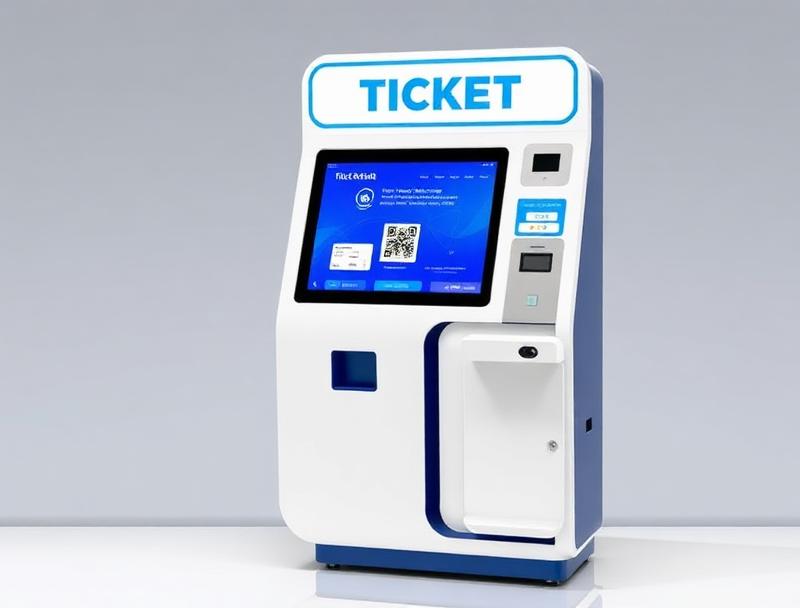
A film festival brings many films, venues and audiences together within a few days. QR ticketing supports tickets, passes, screening reservations and real-time auditorium capacity from one inventory.
Film festivals combine premieres, Q&As and industry activities across a programme that moves between venues and times. When online sales, box office and invitations use separate quotas, a screening can appear available after it is already full.
A QR ticketing system for film festivals brings each screening's inventory, passes and accreditations together. Organisers can see sold, reserved and validated seats in real time.
1. Build inventory for every screening and venue
Each screening has its own date, time, auditorium, capacity and seating model. The website, box-office POS and kiosks draw from the same quota, preventing overselling when several sessions share a venue.
General, concession and protocol tickets
Reserved seating or general admission zones
Quotas for press, industry and sponsors
Q&A screenings or restricted activities
2. Passes that secure a real seat
A pass may include a number of screenings or access to a strand, but small auditoriums still require reservations. Holders select films in advance and the system uses an entitlement only when the seat is confirmed.
3. One QR model for tickets and accreditations
Audiences present a screening ticket, while press, jury and industry guests can use an accreditation with defined permissions. The scanner checks venue, time, category and previous use before granting access.
| Profile | Credential | Check |
|---|---|---|
| Audience | Screening ticket | Venue and time |
| Pass holder | Pass plus reservation | Available entitlements |
| Press and industry | QR accreditation | Activity permissions |
| Guest | Named invitation | Protocol quota |
4. Box office support without stopping the queue
A session change, missing invitation or flat phone can be handled by finding the booking. Staff can reissue access, release a seat or print a ticket through a connected point while keeping a clear audit trail.
5. Manage late entry and consecutive screenings
Rules can define the late-entry deadline and when an unclaimed reservation may be released. The next screening uses a separate capacity and validation state even when it takes place in the same auditorium.
6. Better data for programming and sponsors
Sales, reservations, real occupancy, no-shows and demand by time help teams select venues and add screenings. Reliable reports also demonstrate reach to public bodies and sponsors without relying on estimates.
7. One consistent festival experience
Woolando connects ticketing, POS, kiosks, accreditations and QR access control. Organisers centralise operations while audiences navigate a complex programme through a simple purchase and entry journey.