
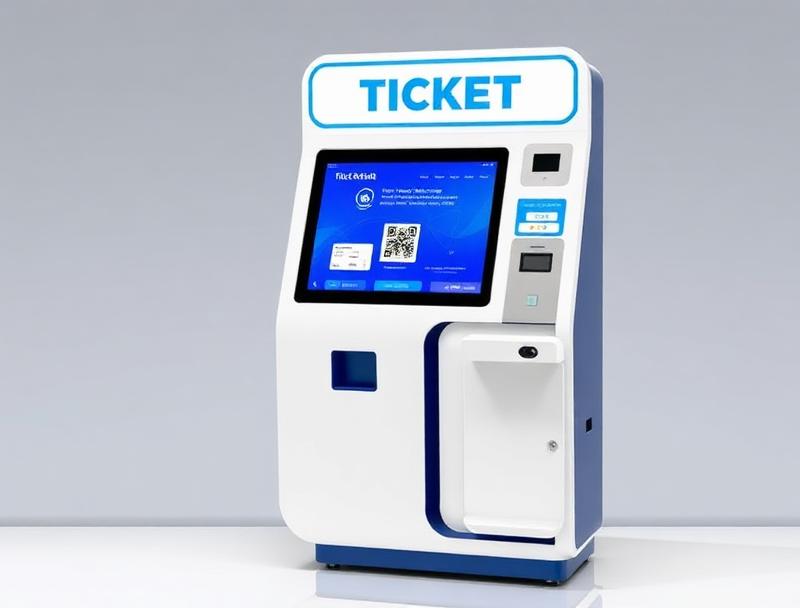
An esports tournament brings together spectators, players, production teams and zones with different permissions. QR ticketing connects every flow to speed up entry and keep capacity under control.
Esports tournaments and gaming events combine competitive sessions, free-play areas, stages, creators, retail and food service. When tickets and credentials are managed separately, queues grow, permissions become unclear and teams lose sight of real occupancy.
A QR ticketing system for esports centralizes sales, check-in and access to each zone on one platform.
1. Design tickets by session and experience
The catalogue can combine day tickets, full-event passes, finals, meet and greets or premium areas. Every product draws from the right quota and clearly states its date, time slot and included zones.
General or single-day ticket
Full tournament pass
Premium, backstage or meet-and-greet access
Capacity-limited bookable activities
2. Separate spectators, players and production
Players, referees, media, streamers, suppliers and staff require different credentials. The same system assigns permissions by profile so each QR works only at authorized doors and times.
3. Validate quickly without losing security
Readers check the event, session, zone and code status. A clear response detects duplicates or out-of-slot passes and sends incidents to a support point without slowing the main queue.
| Flow | Digital control | Result |
|---|---|---|
| Sales | Quota per session | Reliable inventory |
| Check-in | QR by profile | Faster entry |
| Zones | Specific permissions | Orderly access |
| Spending | Connected POS | Measurable sales |
4. Integrate box office, kiosks and POS
The website, box office and kiosks use the same availability. During the event they can retrieve tickets, sell upgrades or print credentials. Food, drink and merchandise POS terminals complete one connected operation.
5. Manage re-entry and long event days
Tournaments often last many hours. Re-entry rules record exits and returns without turning a QR into a shareable pass. The dashboard shows how many people are inside and which scans are re-entries.
6. Measure demand and real occupancy
Sales, validations, peak times and spending by area help size doors, staff and services. Organizers can compare expected capacity with actual attendance and plan the next edition more accurately.
7. A connected gaming experience
Woolando connects ticketing, credentials, QR access control, kiosks and POS so every visitor reaches the right experience and organizers work with real-time data.