
Tapas routes and food fairs attract large crowds in a short time, yet many still rely on paper vouchers and manual redemption at each stand. With QR tasting tickets, connected POS and kiosks, organizers can run tastings, sales and validations with fewer queues and cleaner reconciliation.
At many tapas routes, food fairs, local product showcases and wine events, the visitor experience breaks down right at the redemption point. People buy several tastings, move between stands and expect a smooth flow, but instead find queues, paper stubs that are hard to track and uncertainty about whether a tasting has already been redeemed.
A system of QR tasting tickets lets organizers sell, validate and register every redemption from one connected environment tied to POS, kiosks and operational reporting. That means every stand works with the same rules and the event team gains real visibility into sales, consumption and incidents.
1. Why tapas routes get disorganized so quickly
The issue is usually not the food offer itself, but the combination of arrival peaks, multiple stands and redemption rules that vary by tapa, drink or promotion. When each stop handles tickets differently, the experience becomes inconsistent very fast.
The most common issues usually include:
Queues at the most popular stands
Paper booklets that are hard to reconcile at closing time
Doubts about tickets that were already used, repeated or damaged
Little visibility into which stand is selling and redeeming more
Slow incident handling when a visitor loses their receipt
When redemption depends on paper and manual counts, every small mistake affects sales, waiting times and financial control.
2. How a QR tasting ticket works
Each purchase can generate a unique QR code linked to a tasting pack, a specific tapa or a redeemable balance that works across several stands. That code can be sold online, issued at the box office or printed from a kiosk for visitors who prefer a physical support.
In seconds, the system can verify:
Whether the ticket is still active or has already been redeemed
How many tastings remain available
At which stand each validation took place
Whether the QR only applies to specific tastings, time slots or zones
Whether there is an incident linked to that operation
This turns redemption into a fast and traceable workflow instead of a visual check that depends on the memory of each bar team.
3. Where POS and kiosks fit into the workflow
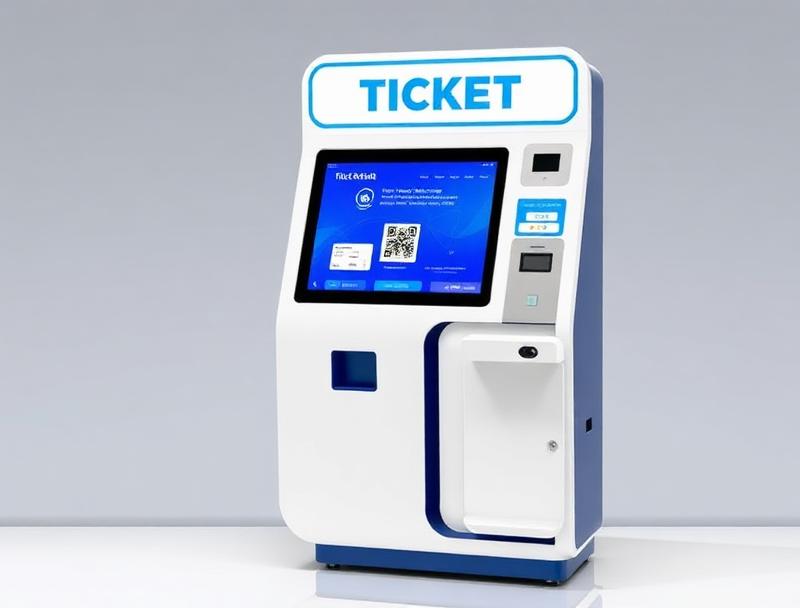
Connected POS terminals help sell tasting packs, extra credits and top-ups without separating payments from validation. Kiosks absorb purchase peaks, reprints and ticket lookups without pushing more work onto the busiest stands.
Stand-level POS: sell and redeem from the same point
Self-service kiosk: buy packs or recover a lost QR code
Central support point: handle incidents, changes or general information
Operational dashboard: track sales, redemptions and demand in real time
The key is making purchase, redemption and reporting share the same live status instead of splitting them across different notebooks or isolated cash boxes.
4. What organizers gain when every stand validates the same way
The real improvement is not just replacing paper, but making ticketing, POS and redemption work from one shared dataset. That way the town council, tourism board or event committee knows how much has been sold, how much has been redeemed and where bottlenecks are building up.
| Need | Manual workflow | With Woolando |
|---|---|---|
| Ticket sales | Paper booklets or isolated cash desk | QR issued in the system |
| Stand redemption | Visual review | Instant validation |
| Consumption control | End-of-day counting | Real-time registration |
| Incidents | Manual searching | Operation history |
| Final report | Estimates only | Data by stand and time slot |
With that structure, it becomes easier to redirect visitors, reinforce a specific point or detect a promotion that is outperforming the rest during the event itself.
5. Where this model adds the most value
QR tasting tickets work especially well when many people move across several points in a short time and the organizer needs accurate sales and redemption reconciliation.
Urban tapas routes promoted by town councils or merchant groups
Food fairs with several booths and tasting packs
Wine, vermouth, craft beer or local product showcases
Town festivals with food areas and time-based promotions
Events where ticketing, tasting redemption and capacity control coexist
The more stands and redemption rules are involved, the greater the return from digitizing the workflow.
6. Useful data after the fair
Digitizing ticket sales and redemptions also improves post-event analysis. Organizers can see which stands had the highest demand, which hours concentrated the most consumption and how many tickets went unused.
Sales by stand, product or time slot
Redemptions completed at each stop
Pending, depleted or duplicate-rejected tickets
Average validation time at the stands
Incidents resolved from kiosks or the central desk
These insights help redesign visitor routes, adjust staffing and negotiate the next edition more effectively with restaurants, wineries or sponsors.
7. Less paper and a much smoother food experience
Visitors want to move quickly, try several options and avoid wasting time understanding how each ticket works at each stand. When every point validates the same way and the organizer sees what is happening in real time, the experience improves for both the public and exhibitors.
With Woolando, QR tickets, POS, kiosks and live operations can work together in one platform so tapas routes and food fairs run with fewer queues, fewer mistakes and much better traceability.