
Learn how to manage QR parking at festivals, fairs and venues for staff, vendors, press and VIP guests with fewer queues, stronger control and real-time traceability.
At many events, parking is still managed with printed lists, cones and improvised decisions at the gate. The problem is that the same entrance must handle vendors, technical staff, press, VIP guests and operational vehicles with different schedules and permissions. Without a clear validation flow, delays, last-minute calls and a poor first impression appear before people even reach the venue.
With a QR parking system connected to access control, organizers can order arrivals, reserve zones and validate permissions in real time from one platform.
1. Why parking access becomes a bottleneck so easily
The public usually sees the queue at the main gate, but many incidents start earlier, in the parking lanes and service roads. A vendor arrives outside the assigned slot, a sponsor cannot find the reserved space, or several vehicles try to use the same forwarded pass.
The most common issues are:
Vehicle queues during load-in or opening time slots
Difficulty separating vendor, staff and VIP parking areas
Printed passes that are easy to lose, duplicate or forward
Very little visibility into occupied spaces and pending arrivals
Gate staff solving incidents without centralized information
When parking is managed separately from the rest of the event, operations lose speed in one of the most sensitive control points.
2. How QR parking works when it is connected to the event
Each vehicle or accredited guest can receive a unique QR linked to a plate number, profile, parking zone and time slot. That QR is validated from a phone, scanner or tablet at the checkpoint and can be tied to a ticket, badge or logistics permission.
The system can confirm in seconds:
Whether the pass matches the correct day and time
Whether the vehicle has access to one or multiple zones
Whether the QR was already used or duplicated
Whether there is still capacity in that parking area
Whether there is an incident or operational note attached
This allows gate teams to stop relying on crossed lists and apply one shared, fast and traceable validation rule.
3. Where kiosks and assisted points fit best
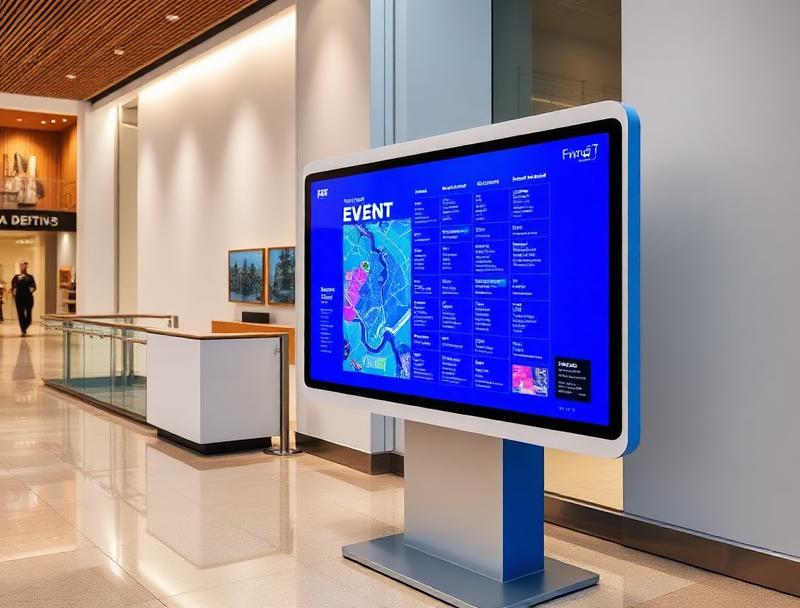
At festivals, trade fairs or sports venues, kiosks and assisted points help solve parking incidents without blocking vehicle entry. They can locate bookings, reissue passes and guide each driver to the right access point.
These points can be used to:
Search permissions by QR, email, booking reference or plate number
Reissue a lost parking pass in seconds
Separate incidents from the main traffic flow
Inform each driver about zone, schedule and entry gate
Coordinate last-minute changes without a chain of calls
The result is a smoother arrival, less pressure on the team and a better experience for everyone arriving to work or attend as a guest.
4. Direct benefits for promoters, venues and public organizers
Digitizing parking does more than remove queues. It also improves security, traceability and coordination between production, protocol, security and gate operations.
| Need | Manual management | With Woolando |
|---|---|---|
| Zone permissions | Lists or cards | QR rules by profile |
| Space control | Visual counting | Real-time occupancy |
| Incidents | Calls and messages | Centralized history |
| VIP or press arrival | Manual review | Fast traceable validation |
| Last-minute changes | Scattered communication | Immediate updates |
With this structure, it becomes easier to reserve quotas, reinforce one checkpoint or close a full zone without improvisation.
5. What organizers can see in real time
When parking, badges and access control share the same operational base, event teams gain real visibility over what is happening both outside and inside the venue.
Validated entries by parking area, gate and vehicle type
Rejected passes caused by duplicates, wrong schedules or wrong zones
Occupied, free and reserved spaces by category
Arrival pace of vendors, staff, press and VIP guests
Open and resolved incidents at each access point
With that data, the team can open another lane, redirect traffic to an auxiliary parking area or warn protocol teams before congestion appears.
6. Where this model adds the most value
This approach works especially well in:
Festivals with load-in operations, backstage and multiple parking zones
Trade fairs with exhibitors, vendors and invited guests
Sports events with VIP, press and technical staff areas
Temporary venues with separate logistics access points
Public events where city councils need to organize traffic and permissions
The more profiles, access points and differentiated spaces are involved, the more valuable it becomes to centralize parking within the same event platform.
7. Parking is also part of the event experience
Event operations begin long before the main entry scanner. If vehicle access works with speed, clear rules and traceability, the whole setup gains order, security and professional credibility.
With Woolando, QR parking, badges, ticketing and access control can work on one platform so staff, vendors, press and VIP guests arrive with fewer incidents and the operation responds with much more precision.