
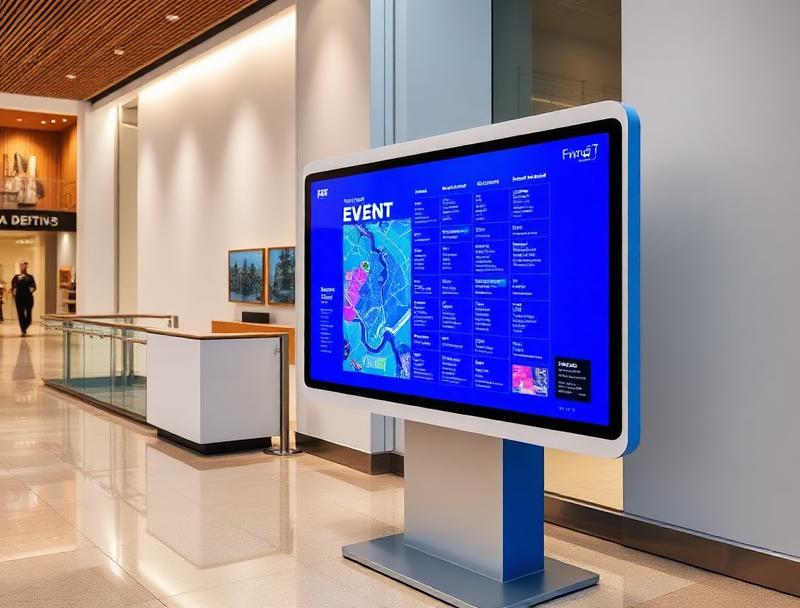
Learn how to run town dinners and summer street parties with QR bookings, timed tables, kiosks and access control to avoid queues and overcrowding.
Town dinners, open-air community meals and summer street parties can bring together hundreds of residents, associations and families within a very short arrival window. When access depends on printed lists, paper tickets or manual wristband delivery, queues start building before the event even begins.
With a setup based on QR bookings for town dinners and summer street parties, organizers can assign tables, validate arrivals and keep capacity under control from one connected platform used by entrance staff, kiosks and supervisors in real time.
1. Why these events become chaotic so easily
Even when the format looks simple, the operation usually mixes many variables at once: group bookings, table layouts, guest invitations, children tickets, special meal options and late arrivals concentrated in the same time slot.
That leads to familiar problems:
Long queues right before doors open
Tables taken by mistake or duplicated bookings
Little visibility over real capacity inside the venue
Guests, staff and general public mixed in the same flow
Slow incident handling at the entrance
If everything is handled manually, the first half hour consumes most of the team and puts the whole evening under pressure.
2. How QR bookings linked to tables and entry work
Each booking generates a unique QR code linked to a table, a number of guests, a time slot or a specific zone. At the entrance, staff can validate it from a phone, tablet or scanner and confirm within seconds whether that booking matches the right dinner session or access area.
The system can instantly verify:
Whether the booking was paid or confirmed correctly
How many seats belong to each group
Whether the group has a numbered table or free seating area
Whether the QR was already used before
Whether the attendee is public, staff, association or invited guest
This gives every access point the same rules and removes the dependency on crossed paper lists.
3. Where kiosks and last-minute changes fit in
Many street parties include people who cannot find their booking, table changes made at the last minute or residents asking for remaining seats. A self-service kiosk or assisted support point helps absorb that volume without blocking the main line.
These points can be used to:
Search bookings by QR, phone number or locator
Reissue confirmations on the spot
Manage remaining seats without losing control of capacity
Send each group to the right table or queue
Separate incidents from the main entrance flow
The result is a smoother reception and a much more resilient operation during the busiest arrival moments.
4. Benefits for town councils, festival committees and associations
Digitizing bookings and access improves the resident experience, but it also creates useful operating control and reliable event data.
| Need | Manual handling | With Woolando |
|---|---|---|
| Table assignment | Frequent changes and errors | Booking linked to table or zone |
| Capacity control | Approximate counting | Live occupancy data |
| Incidents | Slow manual searches | Booking-level history |
| Invitations and staff | Separate lists | Permissions in one system |
| Final analytics | Manual estimates | Data by slot and real attendance |
This traceability helps teams reinforce entrances, reassign empty places and report results more clearly after the event.
5. What organizers can see during the evening
When bookings, validations and support points share one platform, the dashboard becomes a live decision tool instead of a post-event report.
Tables already confirmed and groups still pending arrival
Validated entries by gate, slot or zone
Rejected, duplicated or out-of-time bookings
Incident volume handled at each access point
Real occupancy to coordinate catering, bar or security
With that visibility, it becomes easier to open an extra line, release no-show seats or adapt service before queues escalate.
6. Where this model adds the most value
QR booking flows work especially well in:
Town dinners sold in advance by table or group
Street parties with limited entry due to capacity
Festival meals involving associations, clubs and authorities
Municipal food events with timed seating windows
Programs where entry, drinks and reserved areas coexist
The more tables, attendee profiles and late changes are involved, the stronger the value of centralizing ticketing, entry and on-site operations.
7. A more orderly night for guests and staff
Guests simply want to find their table and enjoy the event. The team needs to know who arrived, which seats are still free and where incidents are building up. QR bookings solve both sides at once with less friction and more clarity.
With Woolando, ticketing, kiosks, access control and on-site event operations work together on one platform so every town dinner starts with fewer queues, fewer errors and more real control.