
Municipal tastings and degustation sessions attract a lot of demand in very short windows, yet they are often handled with paper tickets or manual lists. With QR bookings and access control by session, town councils and organizers can protect the experience and use every available seat better.
Gastronomic fairs, local product showcases and tasting weeks often include guided tastings, premium degustation sessions or workshops with very limited capacity. When seats are controlled with paper, disconnected payments or separate lists, queues appear quickly and a lot of places are wasted.
A QR booking system for tastings lets the organizer assign sessions, validate attendees and coordinate access from one platform. That helps reduce overcapacity, improve punctuality and collect real demand and attendance data.
1. Why tastings create incidents even at smaller events
Even if the overall venue has enough room, each tasting works like a micro-event inside the fair: few seats, fixed schedules, limited product and attendees arriving at the same minute before each session starts.
The most common issues are:
Visitors who cannot find their booking or show unclear proof
Queues at the tasting area just before each session
Sold-out sessions with empty seats because no-shows cannot be reassigned fast enough
Doubts around guests, press, sponsors or special access profiles
Very little traceability to learn which workshops attracted real demand
When everything is handled manually, the team loses time at the entrance and the premium experience feels weaker before it even starts.
2. How a QR booking works for tastings and degustation areas
Each purchase or registration can generate a unique QR linked to a date, time slot, activity and maximum number of accesses. The code can be sent by email, added to a wallet or printed at a kiosk if the fair needs that support.
At the access point, the system can instantly confirm:
Whether the booking belongs to that specific session
Whether the seat is still active or has already been validated
Whether the access includes a guest, a package or a related consumption item
Whether there are released places from cancellations or no-shows
Whether validation is happening at the correct entrance
This turns every tasting into an orderly and measurable flow instead of an improvised queue at the door.
3. Time slots help distribute demand better
The main advantage of QR is that it allows the organizer to structure attendance by session. Instead of opening one single queue for everyone, the fair can spread demand across passes based on winery, chef, product or experience level.
This approach works especially well for:
Municipal food fairs with workshops or showcookings
Tapa routes with limited degustation seats per venue
Wine, olive oil, craft beer or local product showcases
Sponsored premium areas inside town festivals or themed fairs
With clear sessions, visitors know when to arrive and the organizer avoids one activity blocking the rest of the venue.
4. What the organizer gains in control and reporting
When bookings, validation and capacity use the same operational base, the town council, tourism board or organizing committee can manage each activity with far more precision.
| Need | Manual management | With Woolando |
|---|---|---|
| Seats per session | Partial counting | Real-time visible quotas |
| Tasting entrance | Lists or loose tickets | Unique QR and fast validation |
| No-shows | Hard to measure | Traceability by session |
| Guests and sponsorship | Separate lists | Permissions in one system |
| Final report | Estimates | Real attendance by activity |
With those insights, it becomes easier to repeat the best tastings, justify resources and decide which activities deserve expansion next time.
5. Where kiosks, POS and support staff fit
Not every visitor arrives with the QR ready and not every tasting follows the same flow. That is why it helps to connect multiple support points to the same operation:
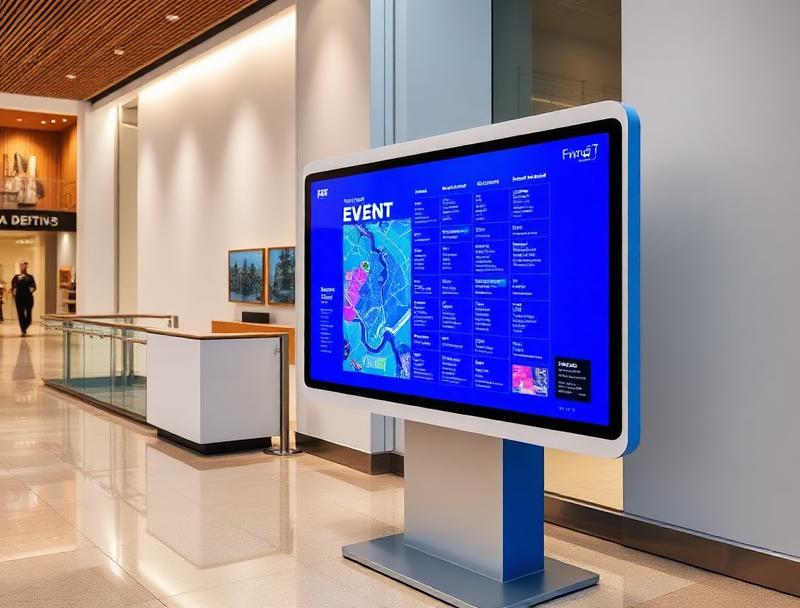
Kiosks or totems: to find bookings, reprint confirmations or redirect visitors to another available session
Connected POS terminals: to sell last-minute seats without breaking capacity control
Staff with QR readers: to validate quickly at the entrance or inside the premium area
Support desks: for guest access, name changes or special incidents
The key is not only to sell the seat, but to coordinate sales, access and support with the same real-time data.
6. Where this system adds the most value
QR bookings for tastings fit especially well when activities are limited and attendee rotation is high.
Gastronomic fairs run by town councils or tourism boards
Wine, beer, vermouth or olive oil showcases with several daily sessions
Local product events with live cooking and reduced capacity
Town festivals with premium zones or sponsored degustations
The more important it is to protect the experience and use every seat well, the greater the return from centralizing bookings and validation on one platform.
7. Fewer queues and a more premium experience from the first minute
Anyone booking a tasting expects to enter quickly, sit down on time and not lose half the session because of a door incident. Orderly validation improves the perception of the event before the first product is even served.
With Woolando, QR bookings, kiosks, POS and access control can work together so gastronomic fairs and town councils run tastings with fewer queues, better seat usage and much stronger traceability.