
Municipal guided tours and heritage visits often concentrate arrivals into a few minutes, especially during summer programs, fairs and open days. With QR bookings and time-slot control, organizers can balance groups, reduce queues and improve the visitor journey without relying on paper lists.
Many town councils organize guided tours of heritage sites, historic routes, visitor centers and open days with limited capacity. When booking depends on disconnected forms, printed lists or manual checks, the experience becomes fragile right at the first contact with the visitor.
A QR booking system for guided tours makes it possible to assign seats by time slot, validate every arrival and manage access from one platform. Organizers avoid overcrowding, reduce queues and gain accurate data for future editions.
1. Why guided tours create so many incidents
Even when total attendance is moderate, these activities combine several operational challenges at once: small groups, fixed schedules, mixed audience profiles, multiple meeting points and temporary or volunteer staff at reception.
The most common issues are:
Visitors arriving without a clear booking or with confirmations that are hard to verify
Groups showing up outside their assigned slot and delaying the next one
Little visibility into how many seats remain in each tour
Slow incident handling when there are name changes or cancellations
Limited traceability to justify real attendance to the town council or sponsors
When everything is handled manually, a simple cultural activity can quickly become a friction point for residents, tourists and staff.
2. How a QR booking works for a route or heritage visit
Each visitor can receive a unique QR booking linked to a date, a time, a route and a maximum number of uses. The QR can be delivered by email, mobile wallet or printed at a support point when the workflow requires it.
At check-in, staff validates the code and the system instantly checks:
Whether the booking matches that tour and time slot
Whether the seat is still active or has already been used
Whether the visitor belongs to a group or family reservation
Whether capacity is still available for that departure
Whether the visitor should be redirected to another available slot
This turns reception into an orderly and measurable process instead of an improvised door check.
3. Time slots and better balanced groups
One of the main advantages of QR bookings is the ability to spread demand across schedules. Instead of having everyone arrive at the same time, organizers can open quotas by departure, language, meeting point or visitor type.
This is especially useful for:
Historic center routes with narrow streets and limited capacity
Visits to landmark buildings during town festivals or fairs
Open days in museums, theaters or municipal venues
Summer tourism programs with several groups per day
With clear capacity per slot, visitors know when to arrive and the team can prepare each departure more effectively.
4. What organizers gain in control and reporting
When bookings, validation and capacity control share the same tool, culture, tourism and events teams work with a much clearer view of what is happening in each activity.
| Need | Manual workflow | With Woolando |
|---|---|---|
| Seats per tour | Partial counting | Live visible quotas |
| Access validation | Lists or email | Unique traceable QR |
| Changes and incidents | Slow review | Booking history |
| Capacity control | Estimates | Real attendance by slot |
| Final reports | Incomplete data | Reports by route, date or language |
With that information it becomes easier to reinforce high-demand slots, adjust the number of guides or plan future editions with real data.
5. Where kiosks, staff and support points fit in
Not every visitor arrives with the booking ready and not every venue supports the same flow. That is why it helps to combine several touchpoints connected to the same system:
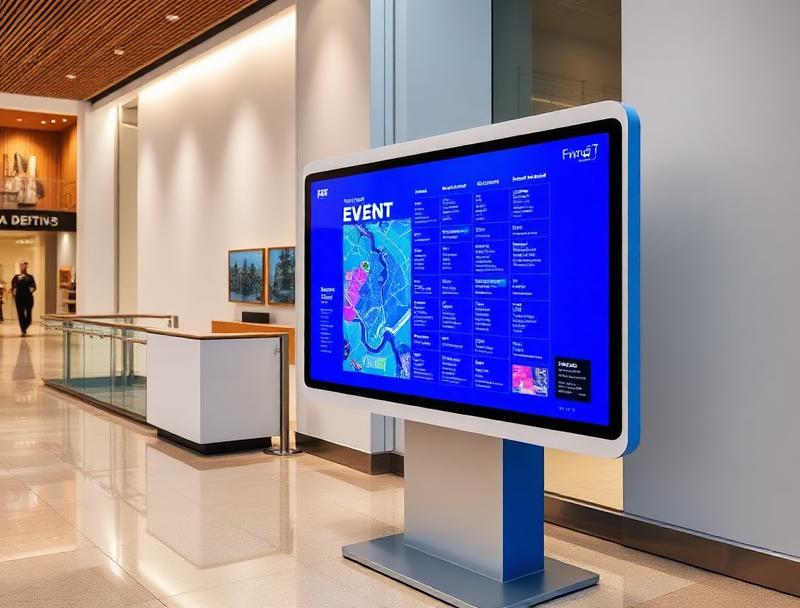
Kiosks or totems: to check a reservation, reprint a confirmation or move the visitor to the next tour
Staff with QR readers: to validate quickly at the meeting point or building entrance
Support desks: for groups, name changes or special incidents
The key is not only to digitize admission, but to connect every point so everyone works with the same information.
6. Where this system creates the most value
QR bookings for guided tours fit especially well when there is heritage value, limited capacity or a strong need to report attendance properly.
Town councils running historic routes on weekends or during summer
Fairs and local festivals offering visits to singular buildings or temporary exhibitions
Theatrical routes with multiple daily sessions
Tourism programs serving both local audiences and organized groups
The more important it is to keep schedules and quotas under control, the greater the return from centralizing bookings, validation and reporting in one platform.
7. Fewer queues and a smoother visitor journey from the start
Visitors notice very quickly whether the organization feels clear or improvised. An orderly arrival, fast validation and well-sized groups improve the experience even before the tour begins.
With Woolando, QR bookings, access control, kiosks and the operations dashboard can work together so town councils and heritage managers run guided tours with fewer incidents, fewer waits and far better traceability.