
Learn how to streamline bib pickup at road races with QR codes, self-service kiosks and real-time control for runners and event staff.
At many road races, the runner experience becomes stressful before the start line. Bib pickup concentrates queues, manual lookups, last-minute changes and heavy pressure on volunteers and race office staff.
When participation grows, printed lists and fragmented desks are no longer enough. A connected setup with QR codes, self-service kiosks and a real-time dashboard makes bib delivery faster, more accurate and far more professional.
1. Why bib pickup becomes a bottleneck
A race can have a solid route plan and still fail at its first touchpoint with participants. The same issues usually appear:
Arrival peaks within one or two hours
Manual searches by name or ID
Category changes or registration incidents
Mixed queues for registered runners and new signups
Little visibility into what has already been delivered
All of this slows down the operation and creates a sense of disorder right before the race begins.
2. How QR check-in for runners works
With digital registration, each participant receives a unique QR linked to their bib number, race category and contracted services. At pickup, staff or the runner can start the process in seconds.
The system can instantly confirm:
Whether the registration is confirmed
Whether the bib has already been handed out
Whether the runner includes a bag, shirt or timing chip
Whether extra documentation is required
Whether the process is running online or offline
This removes most manual checking and leaves every delivery properly recorded.
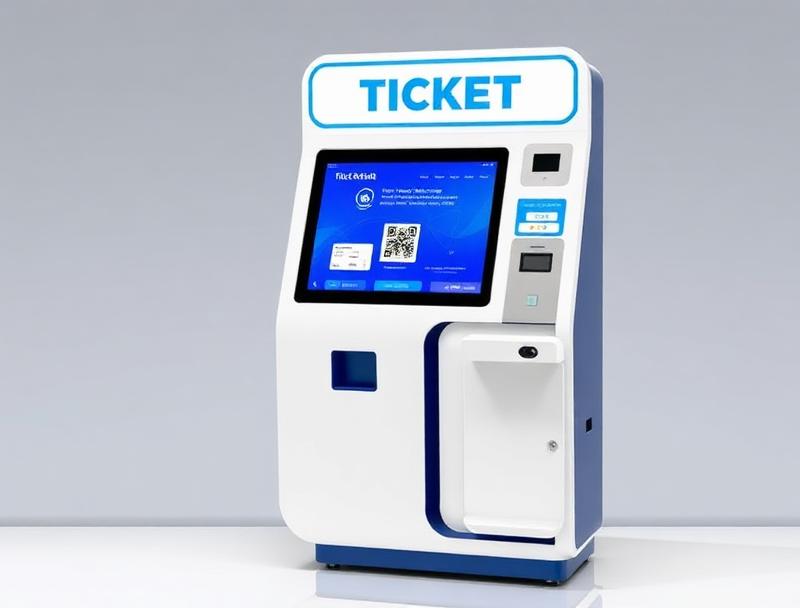
3. The role of kiosks at peak times
Self-service kiosks help unload the race office when hundreds of runners arrive within a short window. They do not replace the team entirely, but they can absorb a critical part of the flow:
Registration lookup by QR or booking code
Printing pickup slips or support tickets
Automatic routing to the right desk
Orderly reissue in simple incident cases
Clear information about start waves, corrals or route
The result is a more scalable process, especially useful in runner expos, urban races and multi-distance events.
4. Benefits for clubs, town councils and organizers
Digitizing bib delivery does more than improve the runner experience. It also gives organizers tighter control:
Fewer queues and less pre-race tension
Fewer duplicate handout mistakes
Faster incident resolution
Real data on pickup by time slot
Better coordination between race office, volunteers and access points
For races promoted by town councils or public sports bodies, that traceability also helps with reporting and operational accountability.
5. What organizers can see in real time
When bib pickup is connected to one central dashboard, decisions no longer depend on guesswork:
| Data | Manual process | With Woolando |
|---|---|---|
| Bibs delivered | Partial count | Live updates |
| Incidents | Scattered notes | Centralized log |
| Queues | Late reaction | Reinforcement by real demand |
| Volunteers | Fixed assignment | Redistribution by flow |
| Traceability | Limited | Runner-level history |
With this visibility, it is easier to open an extra desk, activate another kiosk or split pickup circuits before congestion starts.
6. Where this model adds the most value
This setup fits especially well in:
Road races with a strong pre-start pickup peak
Half marathons and multi-distance events
Charity runs with many occasional participants
Runner expos with multi-day bib delivery
Municipal competitions with several accreditation points
The more participant turnover and profile variety you have, the more valuable automation becomes.
7. A more professional first impression
Bib pickup sets the tone of the whole event. When the process is fast, clear and traceable, runners start with confidence and the team works under less stress. That is why more races are adding QR, kiosks and connected operational control.
With Woolando, registration, bib delivery, access control and event data can live on one platform so the experience stays smoother before, during and after race day.