
Learn how to organize press, sponsors, VIP guests and hospitality areas at sports events with QR badges, zone access control and queue-free check-in.
A sports event does not only receive fans. It also brings in media teams, sponsors, VIP guests, hospitality staff, vendors and internal crews, each with different schedules and permissions. When that premium layer is managed with scattered lists, last-minute calls or generic wristbands, queues and access mistakes show up in the most visible areas.
With a system of QR badges for press, sponsors and hospitality, organizers can centralize check-in, zone permissions and real-time validation from one connected platform.
1. Why this operation becomes complex faster than expected
General admission usually follows a more predictable flow, but press gates, sponsor boxes, hospitality entrances and VIP reception all work under different rules. A journalist may need early access and badge pickup. A sponsor may need access to a suite and hospitality lounge. An institutional guest expects a fast and polished arrival from the first contact point.
The most common issues are:
Queues at premium gates right before kick-off or opening time
Difficulty separating permissions by zone or guest profile
Forwarded invitations with no effective control
Last-minute changes not shared correctly with gate staff
Very little traceability to know who arrived and through which gate
When each entrance follows a different criterion, the guest experience suffers and the operations team loses room to react.
2. How a QR badge works by profile, zone and time slot
Each accredited guest receives a unique QR linked to their name, company, category and exact permissions. That code can be validated from a phone, tablet, scanner or assisted kiosk, with different rules for press, hospitality, suites, mixed zone, parking or internal areas.
The system can confirm in seconds:
Whether the badge is valid for the correct event day
Whether it includes access to one or multiple zones
Whether the QR was already used at another checkpoint
Whether re-entry is allowed for that profile
Whether there are notes or incidents linked to that guest
That way, gate staff stop interpreting exceptions and start applying one shared, fast and traceable validation standard.
3. Where kiosks and assisted points help the most
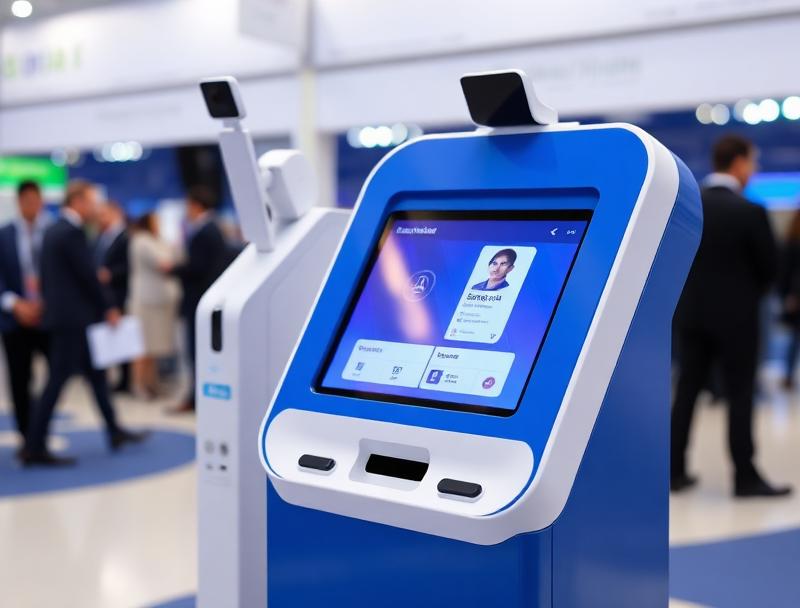
At sports events with large media attendance or multiple sponsor groups, badge kiosks and assisted desks reduce pressure on the main counter. They help locate invitations, print badges, solve simple incidents and keep accredited guests out of the general queue.
These points can be used to:
Search badges by QR, email or booking reference
Print passes for media or last-minute guests
Reissue lost access without rebuilding manual lists
Route each profile to the correct gate or hospitality area
Reduce pressure on VIP reception and sponsor desks
The result is a smoother arrival, fewer waits and a more professional image in front of brands, media and invited guests.
4. Direct benefits for clubs, promoters and venues
Digitizing premium badges does more than improve entry. It also gives operations, protocol and security teams better control and stronger coordination.
| Need | Manual management | With Woolando |
|---|---|---|
| Zone permissions | Separate lists | QR rules by profile |
| VIP guests | Visual checks | Traceable check-in |
| Press and media | Crowded desks | Fast access with kiosk or scanner |
| Last-minute updates | Scattered messages | Centralized changes |
| Hospitality and suites | Limited control | Zone validation and re-entry rules |
With that structure, it becomes easier to reinforce one gate, open an auxiliary desk or restrict a sensitive area without improvisation.
5. What organizers can see in real time
When badges, access control and incidents share the same operational base, the event team gets a clear live view before and during the match or competition.
Validated entries by gate, zone and guest type
Rejected access caused by duplicates, wrong time slots or missing permissions
Arrival pace of media, sponsors and hospitality guests
Authorized re-entry and usage by restricted area
Open and solved incidents managed from reception or security
With that visibility, teams can reassign staff, open another check-in lane or anticipate saturation in suites and mixed zones.
6. Where this model adds the most value
This approach fits especially well in:
Matches with sponsors, suites and hospitality programs
Tournaments with local, regional and accredited media
Competitions with institutional guests or protocol requirements
Venues with multiple gates and restricted areas
Events where general admission and premium flows coexist
The more special profiles, gates and last-minute changes are involved, the more valuable it becomes to centralize badges in one platform.
7. A premium experience supported by real operational data
The experience of a sponsor, journalist or key guest begins before they take their seat. If access works with speed, traceability and clear rules, the entire event gains credibility and operational control.
With Woolando, QR badges, kiosks and zone permissions can live on one platform so press, sponsors and hospitality guests enter with fewer waits, better security and a much more professional operation.