
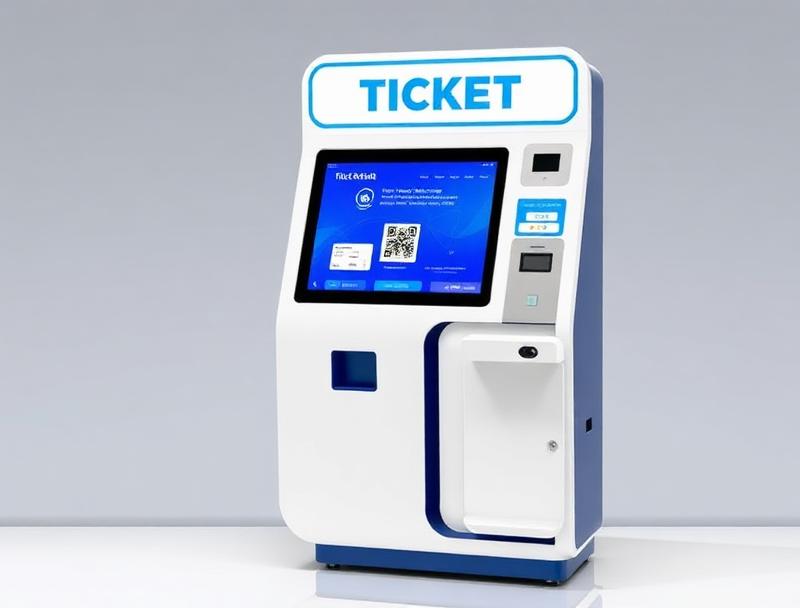
Water parks and leisure pools receive a large share of their visitors within a few busy periods, especially at weekends and during hot weather. Timed sales and QR validation protect capacity, shorten queues and make better use of the venue.
Demand at a water park or leisure pool changes quickly depending on the day, weather and time slot. When online sales, the box office and season passes use separate quotas, a venue can be oversold in the morning while capacity remains unused later.
A timed ticketing and QR access control system connects availability, payment and admission. Visitors book before travelling, while the team sees expected and live attendance from one dashboard.
1. Why a daily capacity limit is not enough
A daily maximum does not prevent arrivals from clustering. Capacity should be distributed across morning, afternoon, full-day or special sessions, with clear rules for which ticket types use each quota.
Families arriving when gates open
Municipal season passes with specific conditions
Groups, camps and collective bookings
Concession tickets and accompanied children
Re-entry allowed only during selected hours
2. Online sales with quotas by session
Customers select a date, time slot and available rate. After payment, they receive a unique QR code. Quotas update in real time and a session can close automatically when it reaches its limit, without manual lists.
Advance sales also communicate venue rules, weather conditions and included services before the visit, reducing questions at the box office.
3. Box office and POS connected to online sales
On-site sales should use the same inventory as the website. A connected POS enables staff to sell remaining places, apply authorised rates, retrieve bookings or move a visitor to another session without creating duplicates.
Website: advance booking and online payment
POS: assisted sales and issue resolution
Kiosk: self-service purchase or booking retrieval
Gate: QR validation and usage control
4. What the QR code checks at entry
The scan confirms that the ticket belongs to the right venue, date and session, remains active and has not already been used. A clear result lets staff admit the visitor or redirect an issue without stopping the main queue.
| Requirement | Separate systems | With Woolando |
|---|---|---|
| Quotas | Counted by channel | Shared inventory |
| Sales | Website and desk isolated | Synced availability |
| Entry | Visual inspection | QR validation |
| Capacity | Estimated later | Live data |
| Reporting | Manual summaries | Results by session |
5. Clear rules for passes, groups and re-entry
The same control can recognise season passes, group tickets and staff credentials. Each product applies its own rules for usage, valid dates, zones and re-entry, keeping decisions consistent across every gate.
6. Data to plan staff and services
Bookings by session show when to reinforce admissions, lifeguards, cleaning, food service and parking. Comparing sold and validated tickets later reveals actual attendance and helps refine quotas and opening hours.
7. A smoother visit from the moment of booking
Visitors want to know they have a place and enter without unnecessary waiting. With Woolando, ticketing, POS, kiosks and QR access share the same information to manage demand and create a more predictable experience for both guests and operators.