
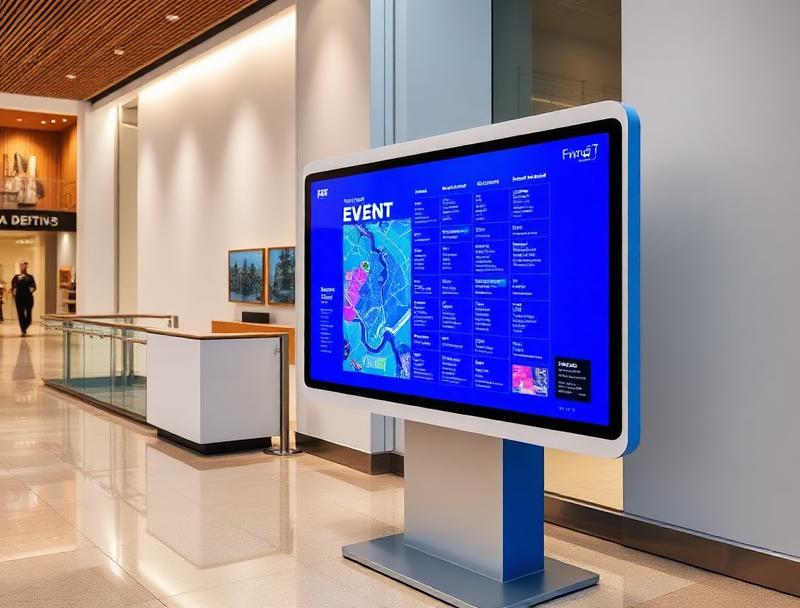
Learn how to run municipal sports fan zones with QR tickets, access control, POS, kiosks and real-time data for crowds, bars and staff.
Municipal sports fan zones are becoming a practical format for finals, promotion matches, summer tournaments and club celebrations in squares, arenas and temporary venues. When large crowds arrive at once, buy food and drinks on site and move through several access points, operations quickly become fragile if everything still relies on paper lists, manual cash handling or isolated systems.
With a setup that connects QR ticketing, access control and POS, councils and clubs can organize entry, speed up bars and keep a live view of capacity, sales and incidents throughout the event.
1. Why fan zones create so many operational peaks
A fan zone is far more than a giant screen. It usually combines ticket holders, invited guests, reserved areas, bars, merchandising points, technical staff and major attendance spikes right before kick-off or during half-time.
The most common issues usually include:
Heavy queues shortly before the event starts
Difficulty separating public attendees, staff, media and guests
Simultaneous peaks at bars and info points
Limited visibility over real venue capacity
Re-entry issues, forwarded tickets or duplicate scans
If each area works on its own, the visitor experience drops and the team loses room to react.
2. How QR access and POS work together in one flow
Each attendee gets a unique QR code linked to a ticket, invitation or specific profile. That code can be validated from a phone, tablet or scanner at any authorized gate. At the same time, bars and sales points work through a connected POS sharing the same operational layer.
The system can instantly confirm:
Whether the ticket belongs to that venue and time slot
Whether the QR was already used at another gate
Whether re-entry or zone-specific access is allowed
Whether remaining capacity is still within the limit
What sales volume each bar is handling in real time
That means entry and consumption stop being isolated workflows and become part of one shared control layer.
3. Where kiosks help inside a sports fan zone
Self-service kiosks or assisted support points fit especially well when attendees arrive without finding their ticket, invited guests need to be added at the last minute or printed confirmations are still needed. They also reduce pressure on the ticket desk during heavy rushes.
These points can be used to:
Find tickets by QR, email or booking locator
Issue reprints or confirmations on the spot
Handle last-minute registrations without blocking the gate
Separate incidents from the main entrance queue
Guide attendees more clearly to each gate or zone
The result is a smoother arrival flow before kick-off and less pressure on gate staff.
4. Direct benefits for councils, clubs and organizers
Centralizing entry and sales improves the fan experience, but it also gives organizers stronger operating control and useful data to justify security, staffing and bar service.
| Need | Manual handling | With Woolando |
|---|---|---|
| Ticket validation | Lists or visual checks | Unique traceable QR |
| Capacity control | Approximate counting | Real-time data |
| Re-entry and zones | Unclear criteria | Permissions by profile |
| Bar sales | Separate cash desk | Centralized POS by stand |
| Incidents | Slow lookup | History by ticket and transaction |
With that traceability, teams can reinforce a gate, reassign staff or open another bar before congestion builds up.
5. What organizers can see during the event
When validation and POS share the same platform, the dashboard becomes a live decision tool.
Validated entries by gate and time window
Rejected, duplicated or wrong-zone access attempts
Accumulated capacity and arrival pace
Sales by bar, point of sale and match moment
Open and resolved incidents during the session
With that visibility, organizers can open an extra lane, reinforce bar service at half-time or solve issues before they affect the whole fan zone.
6. Where this model adds the most value
This setup works especially well in:
Municipal fan zones for finals or high-demand matches
Sports venues with temporary bars and merchandising points
Promotion celebrations or local tournaments with limited capacity
Events mixing VIP areas, media and invited guests
Squares or arenas with several gates and concentrated arrivals
The more crowd volume, sales points and attendee profiles are involved, the greater the value of centralizing ticketing, access and POS.
7. A more orderly and profitable fan zone
Fans want to get in quickly, find service without long lines and enjoy the match. Organizers need to control capacity, detect incidents and understand what is happening at each bar without waiting for the final closeout. A connected system solves both needs with a much clearer operation.
With Woolando, QR tickets, kiosks, access control and POS work together on one platform so each municipal sports fan zone runs with fewer queues, more controlled sales and better real-time decision making.