
Reusable cup operations become messy as soon as online pre-sale, deposit collection, bar pickup and end-of-night returns all happen at once. With connected QR, POS and kiosks, organisers can structure that flow and reduce queues, deposit mistakes and disputes with attendees.
Many festivals, town celebrations and bar-driven events already use reusable cups to reduce waste, but the operational side is often still fragile. When cup pre-sale, deposit collection, bar pickup and final return are handled with loose tickets, tokens or separate cash points, queues and incidents appear right when consumption peaks.
A QR-based reusable cup pre-sale system makes it possible to sell the cup in advance, link it to a ticket or account, deliver it with a quick scan and record every return or exchange from the same environment connected to POS and kiosks.
1. Why reusable cups create friction when they are not digitised
On paper, the model looks simple: the attendee pays a deposit, collects the cup and later decides whether to return it or keep it. In practice, problems start when several bars, rotating shifts and concentrated peaks of demand enter the picture.
The most common failures are:
Double queues to pay for the cup and then order the drink
Doubts about who already paid the deposit and who did not
End-of-night mismatches between cups delivered, returned and charged
Lost paper tickets that make refunds difficult
Little traceability to measure rotation and stock by bar
If every point works in isolation, the reusable cup stops being a sustainability improvement and becomes a steady source of small operational issues.
2. How QR cup pre-sale works
The idea is simple: the cup can be sold in advance together with the event ticket, as an add-on at a kiosk or as a separate item at the box office. Each transaction generates a unique QR or reference that staff can scan at the bar or at a pickup point.
In seconds, the system can check:
Whether that attendee already has a prepaid cup
Whether the deposit was charged correctly
Whether the cup has already been delivered or is still pending
Whether a return or exchange is allowed at that point
Which bar or kiosk handled each movement
This removes improvisation from the cash desk and turns cup pickup into a step integrated with the event's wider operation.
3. Fewer queues at bars and access points
One of the clearest advantages of pre-sale is that it separates the purchase decision from the busiest consumption moment. If attendees can arrive with the cup already linked to their ticket or solve it beforehand at a kiosk, the bar team can focus on serving faster.
This approach is especially useful in:
Festivals with several bars and high simultaneous demand
Town celebrations with temporary bars run by committees or associations
Fan zones and sports events with very short consumption windows
Nightclubs and venues where access, first drink and deposit happen within minutes
The less time staff spend explaining the deposit or checking manual tickets, the more capacity they have to sell and handle real incidents.
4. What changes when POS, QR and kiosks share data
The real difference is not only charging for the cup in advance, but making the whole circuit work from the same information. If ticketing, bar service and returns share status, the organiser gains real control over an operation that is usually scattered across several cash points.
| Need | Manual handling | With Woolando |
|---|---|---|
| Pre-sale of the cup | Separated from ticketing | Online sale, kiosk or box office |
| Bar delivery | Visual check | QR scan and traceability |
| Deposit control | Frequent mismatches | Recorded movements |
| Returns | Lost or doubtful tickets | Clear status per transaction |
| Final reporting | Manual counting | Data by bar, shift and volume |
With that base, it becomes easier to detect where cups are missing, which points collect more returns and how much stock each time slot really needs.
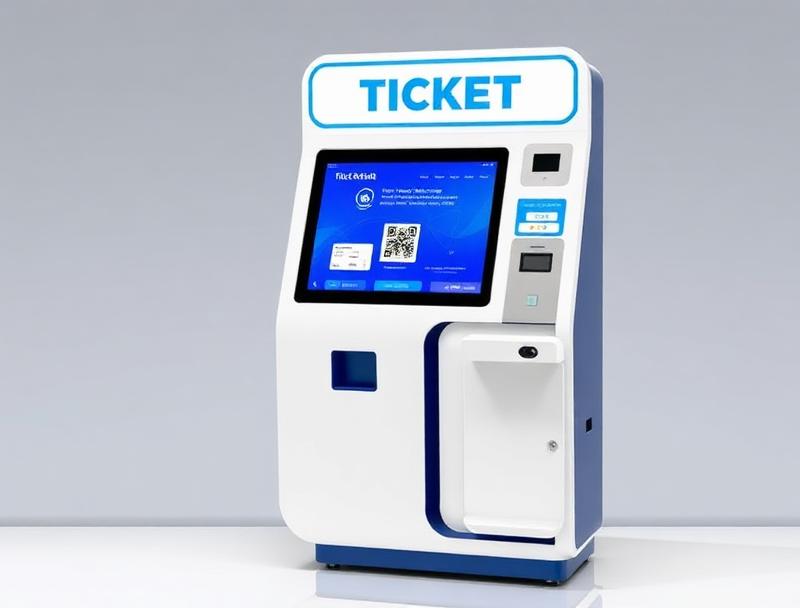
5. Where kiosks and self-service points fit
Not every attendee arrives with everything solved and not every bar should absorb the same load. That is why connected kiosks can play a key role in reusable cup operations.
Last-minute pre-sale: the attendee buys the cup before ordering at the bar
Status check: staff verify whether the deposit is already linked to a ticket
Reprint or lookup: the reference is recovered if the attendee cannot find the QR
Queue diversion: simple actions are moved away from the busiest consumption point
The important part is that the kiosk does not operate in isolation, but as an extension of the same system used by the POS and bar staff.
6. Returns, exchanges and reconciliation without losing control
Deposit return is the moment when most errors surface if the system is unclear. The event needs to know which cup was delivered, where it was returned and whether the refund should be granted. If this is managed with paper or staff memory, end-of-night closing quickly becomes messy.
With a connected flow, the organiser can decide whether the cup must be returned at a specific point, whether it can be exchanged for a clean one during the event or whether the deposit is consumed because the attendee keeps it. All these rules can be recorded so final reconciliation does not depend on estimates.
7. A sustainable solution that also has to be profitable
Reusable cups improve the event image and reduce waste, but they only deliver full value when they also fit operationally. If cup handling slows bars down, creates conflicts or makes closing harder, both attendee experience and staff performance suffer.
With Woolando, cup pre-sale, QR, POS, kiosks and on-site control can live in a single platform so festivals and town celebrations work with fewer queues, fewer deposit errors and much stronger traceability.