
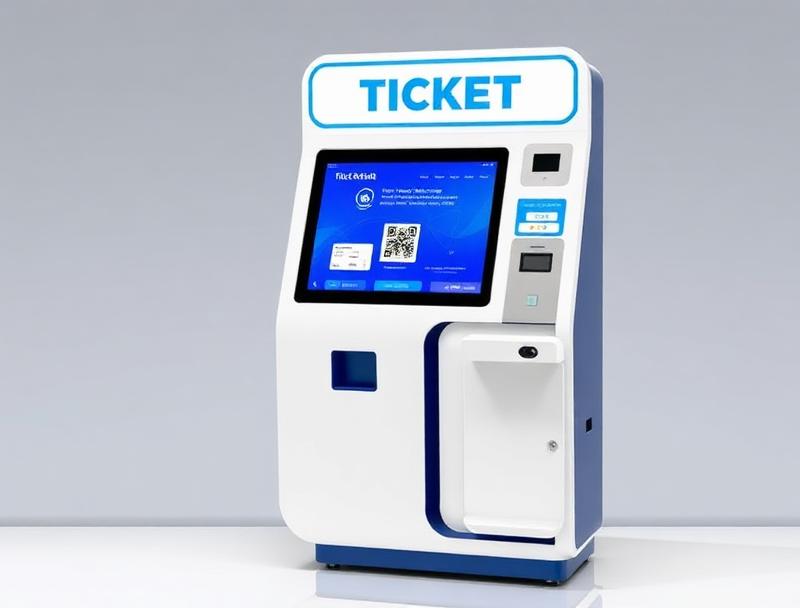
A QR cultural pass gives residents flexible access to different municipal activities without issuing an isolated ticket for every purchase. The council keeps capacity, uses and attendance under control.
A municipal cultural programme can include theatre, cinema, concerts, museums and workshops run by different venues. When each activity uses a separate system, visitors collect confirmations and the council loses a shared view of participation.
A municipal cultural pass with QR turns one credential into access to multiple events, with clear balance, booking and validation rules.
1. Define what the pass includes
Before launch, specify validity, number of uses, eligible activities and possible supplements. Different products can serve young people, families, residents or a particular season.
Number of admissions or available balance
Included dates and venues
Limits per activity or holder
Booking, change and expiry policy
2. Reserve a place without losing capacity control
The pass does not replace a booking when a session has limited capacity. The user selects a date and time; the system deducts the use and blocks a place in the inventory shared by the website, box office and kiosks.
3. Use one QR throughout the season
The same credential identifies the pass and checks its status at every entrance. The reader confirms that the activity is included, a valid booking exists and uses remain, preventing copied codes and duplicate redemption.
| Moment | Digital control | Outcome |
|---|---|---|
| Activation | Product and validity | Active pass |
| Booking | Session quota | Confirmed place |
| Entry | QR and balance | Secure redemption |
| Reporting | Use by activity | Measurable programme |
4. Support sales and incidents through every channel
Residents can buy or check the pass online, at the box office or at a kiosk. Authorised staff can retrieve a credential, amend a booking, or cancel a lost QR and issue a replacement without changing its history.
5. Reconcile revenue across venues and activities
Each validation is associated with the corresponding event, venue and price. This traceability supports revenue allocation, grant reporting and demand comparisons without manual counts.
6. Keep the experience simple
The user account should show remaining uses, upcoming bookings and conditions. Reminders reduce no-shows and explain how to cancel in time so another resident can take the place.
7. Cultural policy based on real usage
Woolando connects sales, bookings, POS, kiosks and QR access control. Councils can see which activities attract new audiences and adjust schedules, capacity and campaigns using actual attendance data.