
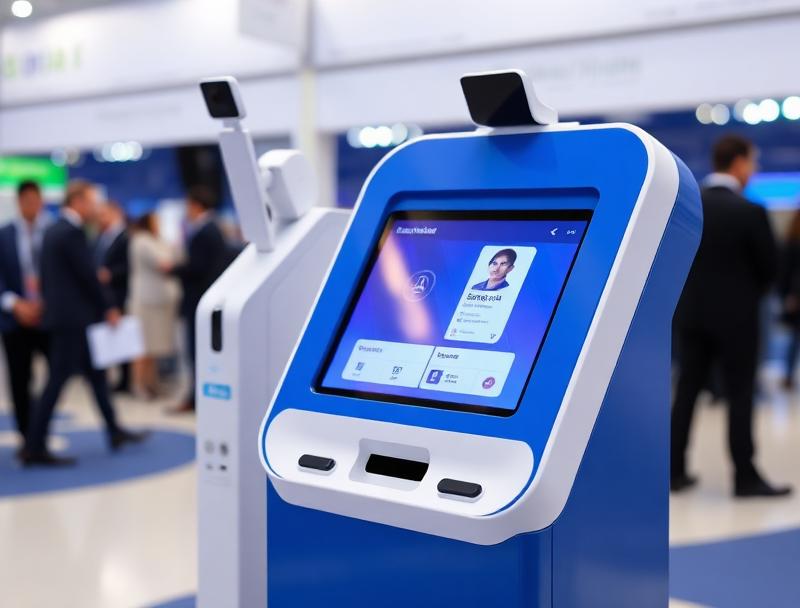
Discover the best strategies and technologies to avoid counterfeit tickets at concerts: dynamic QR, real-time validators, secure ticketing and anti-fraud systems.
Ticket counterfeiting remains one of the most common problems at concerts, festivals and large shows. Thousands of people each year try to access with duplicate, manipulated or outright fake tickets, putting the security of the event and the audience's experience at risk.
But the good news is that today there are modernticketing and validation systems that practically eliminatefraud. In this article we explain how ticket fraud works, what technologies combat it and what solutions the best promoters apply.
🟥1. Why entries are falsified and how they do it
Scammers take advantage of two factors:
1.1. Entry in image or static PDF format
Traditional PDF entries or simple screenshots can easily be copied, forwarded or resold multiple times.
1.2. Posting on social networks
Many users publish their ticket to show off or sell it, without hiding the QR. This allows others to duplicate it.
1.3. Uncontrolled secondary market
Unauthorized resale is one of the biggest sources of fraud. On some platforms, anyone can upload any entry.
1.4. Lack of professional validation
Small to medium-sized events sometimes use generic apps or real-time offline readers.
🟦2. Modern technologies that eliminate counterfeiting
This is where a professional system likeWoolando / GoCrushcomes into play.
2.1. Unique and non-transferable QR
Each entry has aQR code generated cryptographicallyand associated with a single record in the database.
It cannot be cloned because:
When validated once, it is marked asused.
If someone tries to use a copy,will automatically skip thewarning.
2.2. Real-time validation
The validator (mobile or totem) connects to the backend and confirms:
If the entry exists
If it is paid
If it was already used
If it was refunded
If it is duplicate
Thisblocks any attempt at fraudulent use of.
2.3. Dynamic QR (optional)
Dynamic QRs change every so often, preventing a screenshot from being valid.
It is perfect for events with large capacity or high risk.
2.4. Optional biometric control
Some promoters enable:
ID verification
Profile photo
Quick visual comparison by the staff
Ideal for premium concerts.
2.5. Anti-tamper seals
A modern entry includes invisible layers of security:
Encrypted tokens
Digital signatures
Hash codes
Blockchain (if you want an extra)
All of this makes modifying an entry practically impossible.
🟩3. What an organizer should do to avoid counterfeit entries
3.1. Use a professional ticketing system
Forget about manual PDFs or improvised apps.
A modernplatform centralizesissuance, control and validation.
3.2. Activate official QR validators
Access personnel must use:
Mobile validators
Connected kiosks
Professional scanners
All synchronized in real time.
3.3. Train the staff
And not only in false tickets, but also in:
Queue management
Duplicate detection
Quick identity review
Referral to incident control
3.4. Inform the public
Add reminders such as:
“Do not share your QR on networks”
“Only buy from official channels”
“PDF entries are not valid if they are manipulated”
Communication prevents problems.
🟧4. Real case: how a concert reduces fraud to zero
With Woolando / GoCrush, events get:
0 valid duplicate entries
Faster accesses
Incidents resolved in seconds
History complete validations by validator, time and ticket type
That is to say:security + speed + impeccable user experience.
🟨5. Conclusion
Avoiding counterfeit tickets at concerts is no longer a utopia.
The key is to use:
Unique QRs
Real-time validation
Totems or synchronized mobiles
Clear communication strategy
Professional ticketing connected to the cloud
With these tools, any promoter can guarantee thatonly accesses who has actually purchased aticket, protecting income, capacity and security.