
Learn how to organize festival camping with QR check-in, wristbands, kiosks and zone-based access control to reduce queues and gain full traceability.
Festival camping often starts operating many hours before the main venue opens. Attendees arrive with backpacks, tents, multi-day passes, plot reservations, authorized vehicles and plenty of questions about where to go. If that flow is handled with printed lists, manual wristbands and disconnected validations, queues show up from the very beginning.
With a festival camping QR system connected to check-in, wristbands, kiosks and access control, organizers can structure arrivals, separate profiles and keep real traceability for every movement from setup to final departure.
1. Why festival camping creates so much operational complexity
Unlike a standard entrance gate, the camping area combines several processes at once. Some attendees arrive early to set up, others reach the site later with their ticket already validated, groups share the same booking and staff must solve incidents without blocking the main line.
The most common issues are:
Long queues at initial wristband or accreditation pickup
Confusion about which area matches each booking or pass type
Duplicate or forwarded locators between attendees
Little visibility into real occupancy by sector or plot
Slow incident handling when someone loses the email or changes the booking holder
When camping does not share a system with ticketing and access control, even a small incident can affect the entire start of the festival.
2. How QR camping check-in works by zone
Each booking or camping pass can generate a unique QR linked to stay dates, number of occupants, allowed zone and contracted services. At the entrance, the team validates that code from a phone, tablet, scanner or assisted kiosk, and the system instantly confirms whether the access is correct.
In seconds it can confirm:
Whether the access belongs to the correct camping area and date
Whether the QR was already used for check-in or wristband pickup
How many people are included in the booking and how many are still pending
Whether the attendee has permissions for parking, glamping or premium areas
Whether occupancy in a sector is still within the available limit
This turns check-in into a connected operational workflow instead of a manual review process.
3. Where wristbands and kiosks fit into the attendee journey
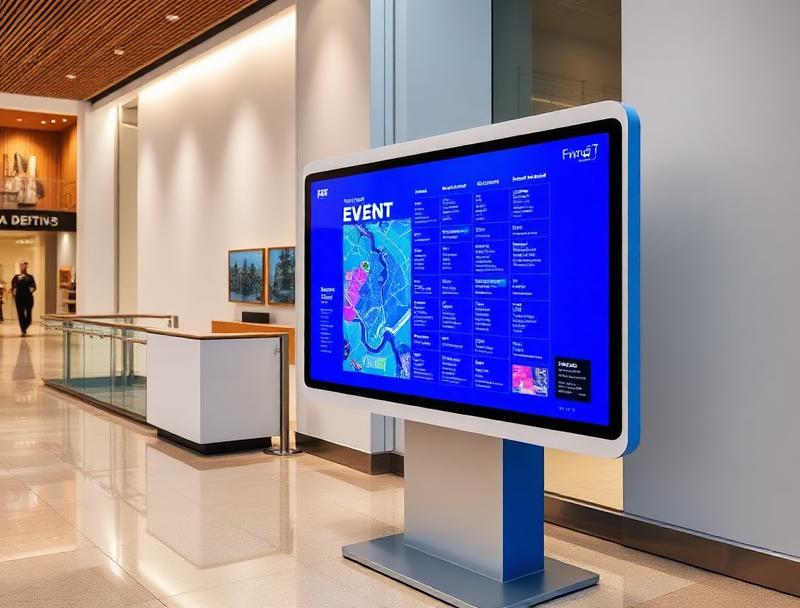
At many festivals, the camping area requires wristbands, labels or physical credentials to manage re-entry and differentiate access rights. If that handoff happens without digital support, the queue moves slowly and the margin for error grows. Kiosks and support desks help recover bookings, print receipts and redirect incidents without blocking the main flow.
These points can be used to:
Search for a booking by phone number, email or locator
Issue support tickets, labels or receipts in seconds
Separate incidents linked to holder changes or group expansions
Guide each attendee to the correct camping zone
Reduce pressure on the main check-in desk
The result is a more ordered arrival flow, less stress for staff and a much better first impression for attendees.
4. Benefits of connecting camping, ticketing and access control
When camping shares the same platform as the rest of the festival, organizers can better connect what happens at pre-entry, parking, the main venue and special areas. That avoids duplicated work and improves coordination between welcome teams, security and on-site operations.
| Need | Manual approach | With Woolando |
|---|---|---|
| Initial check-in | Lists and manual wristbands | QR validation with traceability |
| Camping zones | Verbal assignment | Permissions linked to booking |
| Incidents | Slow lookup | Centralized history |
| Occupancy | Sector estimates | Real-time data |
| Re-entry | Uneven control | Shared rules by profile |
With this visibility, it becomes easier to open another lane, reinforce a sector or limit new arrivals before congestion builds up.
5. What organizers can see in real time
A digital camping operation does more than improve arrivals. It also creates useful information to coordinate resources during the whole festival.
Bookings already checked in and bookings still pending arrival
Completed check-ins by gate, time slot and access type
Real occupancy by sector, plot or special service
Open incidents linked to duplicates, changes or permissions
Arrival peaks that require more staff or additional kiosks
With those insights, the team can make operational decisions quickly instead of waiting until the event is over.
6. Which festivals benefit the most from this model
This setup is especially useful for:
Multi-day festivals with general camping, premium camping and glamping
Venues with separate access for attendees, staff and vendors
Events where parking is linked to camping reservations
Festivals with staggered arrivals by day or time slot
Teams that need real traceability starting at pre-entry
The more profiles, zones and services coexist, the more value there is in centralizing camping operations in one platform.
7. A smoother check-in to start the festival right
Attendees want to arrive, identify themselves quickly and know exactly where to go. Organizers need to control occupancy, prevent duplicates and solve incidents without improvisation. A QR camping workflow connected to wristbands, kiosks and access control supports both goals with a much more professional operation.
With Woolando, ticketing, check-in, zone control and QR validation can live in one platform so festival camping runs with fewer queues, fewer errors and stronger real-time control from the very first arrival.