
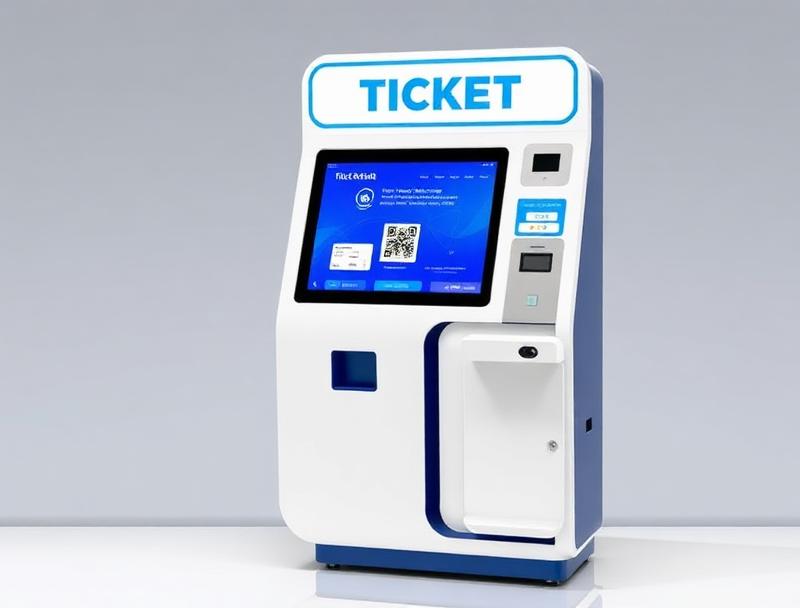
The digitalization of municipal fairs will mark 2026: access control, digital tickets, cashless payments and real-time data for town halls.
Municipal fairs are undergoing a profound transformation. What was previously managed with paper, cash and manual controls is giving way to digital systems that improve the attendee experience and greatly facilitate the work of city councils. Looking ahead to 2026, thedigitization of municipal fairsIt will no longer be an option, but a necessity.
From traditional management to smart events
For years, many local fairs have operated with unscalable processes: physical tickets, manual validations, lack of data and little visibility of actual capacity. These systems generate queues, human errors and difficulties in making decisions in real time.
Digitalization allows turning a fair into asmart event, where every access, every payment and every interaction is recorded and controlled.
Access control and capacity in real time
One of the pillars of digitalization isaccess control using QR codes. This system allows:
Validate entries in seconds
Avoid duplicates or fakes
Know the capacity in real time
Comply with safety regulations
For city councils, this represents a clear improvement in security management and event planning.
Digital tickets and elimination of paper
The digital ticket reduces costs, eliminates unnecessary impressions and improves the visitor experience. Attendees can carry their tickets on their mobile phone, while the organization centralizes all the information in a single system.
In addition, digital tickets facilitate integration with invitations, professional accreditations or special access.
Cashless payments and greater economic control
Another key trend for 2026 isdigital or cashless paymentwithin the municipal fairs. The benefits are clear:
Less queues at bars and stalls
Reduction of cashier errors
Greater income control
Real-time sales reports
This allows councils and organizers to have a clear vision of the economic performance of the event.
Data to make better decisions
Digitalization not only improves operations, but also generatesvaluable data: peak hours, busiest areas, average consumption per attendee or real impact of the event. This information is key to improving future editions and justifying public investments.
2026: the year of digital consolidation
Everything indicates that 2026 will be the year in which the digitalization of municipal fairs is definitively consolidated. City councils that opt for technological solutions will be better prepared to offer safer, more efficient and attractive events for citizens.