
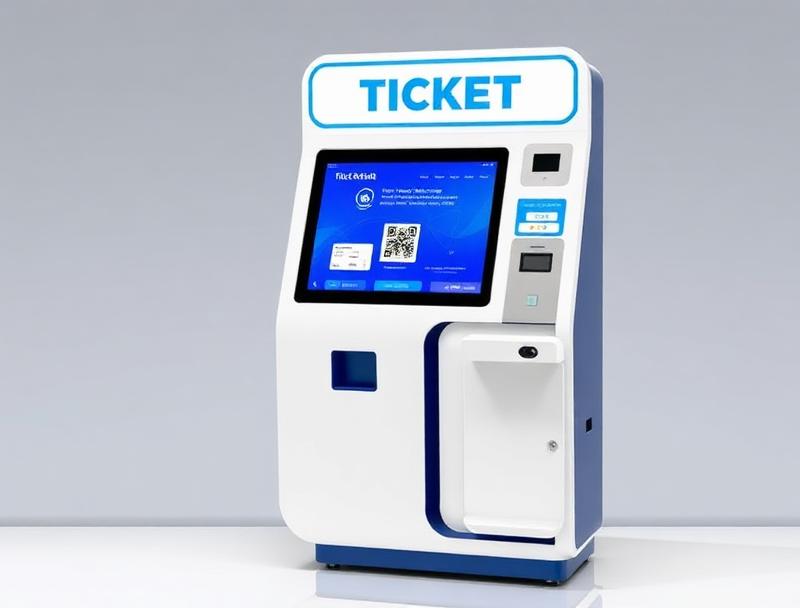
Bars and sales points struggle when thousands of attendees try to add balance at the same time. With cashless kiosks connected to the POS and the event dashboard, top-ups stop being a bottleneck and become a controlled part of the operation.
At many festivals, fan zones, food fairs and large sports events, the challenge is not only to sell more but to let people top up without collapsing service points. When top-ups depend on a small number of staffed desks or manual workflows, long queues appear just before the strongest consumption peaks.
A system of cashless top-up kiosks allows each attendee to check balance, add credit and keep buying without blocking bar teams or information desks. Organizers speed up payments, spread demand more evenly and keep real-time control over the money moving through the venue.
1. Why top-ups become a bottleneck
Most events concentrate top-up demand into very short moments: before a headline show, during a break, when bars open or right after people enter a fan zone. If all that demand lands on a limited number of operators, the system slows down exactly when it could capture the most revenue.
The most common problems are:
Long queues just to add balance before buying
Bar staff handling top-ups instead of serving more orders
Cash desk errors when top-ups, sales and refunds mix together
Little visibility into which points are overloaded
Attendees abandoning purchases because the wait is too long
When top-ups are not distributed properly, cashless loses part of its operational and commercial advantage.
2. How a kiosk top-up works
Each attendee can identify themselves with a QR code, wristband or booking reference and operate from a kiosk connected to the central system. In a few steps they can check balance, choose an amount, pay and have the credit registered instantly.
This flow makes it possible to verify in real time:
The balance before and after each operation
The payment method used for the top-up
Whether a wristband, account or QR is still active
Which kiosk or point processed each movement
How much top-up volume accumulates by time slot
That turns top-up into a traceable self-service action instead of a task tied to a single team.
3. Less pressure on bars, ticket desks and help points
One of the biggest advantages of kiosks is that they free staff from repetitive top-up work. If attendees can add balance on their own, on-site teams can focus on real incidents, complex sales or live operational support.
This approach is especially useful for:
Festivals with multiple bars and strong demand peaks before shows
Sports fan zones with concentrated spending before kick-off and during breaks
Fairs and municipal venues where tickets, bars and merchandise run side by side
Nightclubs and nightlife venues where access, top-up and consumption happen within minutes
The more top-up demand is spread out, the smoother the rest of the operation becomes.
4. What organizers gain in control and reporting
When kiosks, cashless balances and POS share data, the event dashboard gives a much clearer picture of what is happening during the live operation, not only at final close.
| Need | Manual workflow | With Woolando |
|---|---|---|
| Top-ups by point | Partial counting | Real-time records |
| Available balance | Low visibility | Instant lookup |
| Payment incidents | Manual review | Traceability per operation |
| Demand peaks | Staff perception | Data by slot and kiosk |
| Cash reconciliation | More exposed to errors | Centralized movements |
With that visibility it becomes easier to move staff, open extra points or adjust suggested amounts before queues start hurting sales.
5. Fixed kiosks, mobile points and mixed flows
Not every event needs the same setup. Some operations work best with fixed kiosks near bars and entrances, while others combine self-service, staffed POS devices and support points for special cases.
Self-service kiosks: for fast top-ups and balance checks
Staffed POS: for support, refunds or edge cases
Bar readers: to charge purchases without repeating steps or switching systems
Central dashboard: to monitor saturation, top-ups and spending from one place
The key is not to add an isolated kiosk, but to integrate it with ticketing, cashless and sales so every point works from the same data.
6. Where this model creates the most value
Cashless top-up kiosks fit best when there is heavy attendance and very short purchase windows.
Festivals with multiple bars and repeated top-up needs throughout the day
Fan zones and sports events with major traffic before start time and at halftime
Food and municipal fairs with many low-value transactions
Nightlife venues where purchase speed directly affects revenue
The more pressure bars and points of sale face, the greater the return from turning top-up into a connected self-service flow.
7. Less time topping up, more time buying
Attendees do not separate top-up, payment and consumption. They only notice whether the event lets them buy quickly or makes them wait multiple times. That is why cashless top-up deserves the same level of planning as QR access, POS or door ticketing.
With Woolando, kiosks, POS, cashless balances and live reporting can work together so festivals, fan zones and fairs turn top-up into an agile, measurable and profitable experience.