
The door box office does not have to run separately from online ticket sales. When both channels share data, QR codes and POS information, events reduce incidents and keep selling safely until the last minute.
Many events sell tickets online but still run the physical box office with spreadsheets, printed lists or disconnected POS terminals. Problems usually appear at the worst moment: duplicate tickets, unclear capacity, queues at the door and cash discrepancies after closing.
A connected door box office lets in-person sales work with the same information as online sales. Each transaction updates inventory, creates or validates a QR code and leaves a trace for access staff, bars and administration.
1. Why the physical box office still matters
Even with strong presales, there are always last-minute attendees, guest list changes, name updates, payment issues or reservations that must be solved at the door. For nightclubs, fairs, festivals and municipal events, removing the box office is not always realistic.
The goal is not to remove in-person sales, but to integrate them into the same system that already controls online tickets. Staff can sell, charge, print, resend tickets and solve incidents without losing control.
2. What the box office should share with online sales
A professional workflow connects several operational pieces:
Ticket inventory: available capacity, ticket type quotas and timed-entry limits.
Unique QR code: every in-person ticket creates a verifiable code for access control.
POS and cash desk: card payments, cash if needed and a record of every operation.
Validators: real-time scanning to prevent reuse and detect incidents.
Control panel: sales, access, capacity and cancellations visible to organizers.
With this setup, the box office stops being an isolated desk and becomes another sales point inside the digital operation.
3. Fewer duplicates and fewer arguments at the door
When a ticket sold at the box office is registered like an online ticket, access staff can validate it with the same QR scanner. If someone tries to reuse a code, if a guest pass has already been consumed or if a ticket was cancelled, the system shows it immediately.
This protects the promoter and the door team. Decisions are based on data, not improvised conversations. During arrival peaks, that difference prevents bottlenecks and improves the attendee experience.
4. Last-minute sales without losing capacity control
In-person sales can be profitable, but only if they respect the real limits of the venue. A connected box office deducts each sale from available capacity and can automatically block ticket types when a defined quota is reached.
For fairs and municipal events, this also helps manage time slots, limited-capacity activities or access by zones. For nightclubs and nightlife, it coordinates presale tickets, guest lists, invitations and door sales without mixing data.
5. When kiosks or totems make sense
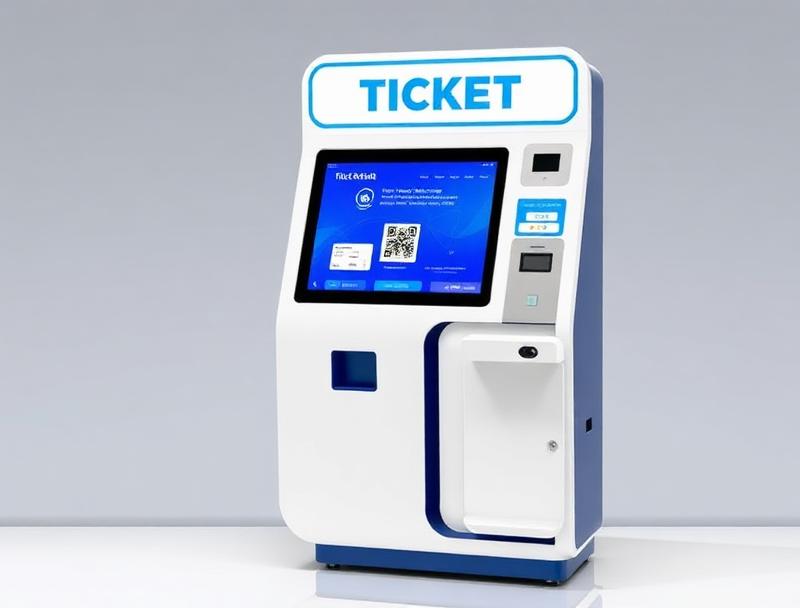
If attendee volume is high, a staffed box office can become a bottleneck. Smart kiosks and totems can automate part of the flow: ticket purchase, ticket printing, accreditation pickup or reservation lookup.
At Woolando, we connect hardware, ticketing, printers, QR codes, POS terminals and admin dashboards. The goal is for staff to focus on real incidents instead of repetitive tasks.
6. Woolando's approach
Woolando builds solutions for events, nightclubs, fairs and in-person businesses that need to connect online sales, box office, QR access control, POS, cashless, kiosks and custom software.
Our product experience with GoCrush.club, focused on ticketing for nightclubs and nightlife events, helps us design realistic workflows: presales, door control, QR validation, guest lists and operational reporting.
If your event needs to sell through several channels without losing control, the first step is to map how sales enter, how each access is validated and what information the team needs during operations.