
Discover how a modern QR validation system allows you to control access and capacity at municipal fairs. Improve security, fluidity and transparency with digital technology.
Municipal fairs are one of the most important events for any city council. They represent tradition, culture, economic dynamism and a space for coexistence for neighbors and visitors. However, they also represent a great organizational challenge: controlling access, avoiding crowds, guaranteeing public safety and offering a fluid experience has become a priority at all fairs in Catalonia and the rest of Spain.
With the digitization of ticketing and the implementation ofQR-based access control systems, town councils have been able to transform the way they manage the entry of thousands of people for several days. Today, professional access control not only improves security, but turns the fair into a more modern, efficient and scalable event.
In this article we analyzehow a typical success story worksin municipal fairs when a modern digital access system is used, how it is implemented, what benefits it brings and why more and more municipalities are opting for this type of technological solutions.
🟦 1. The challenge of controlling access at municipal fairs
Municipal fairs usually attract a large volume of people in a short time, especially at peak times. The most common problems are:
✔ Crowds at the entrances
Thousands of people arrive at the same time when the fair opens or when notable activities are carried out.
✔ Lack of traceability
Manual methods do not allow us to know how many people have entered, left or if the capacity is close to the limit.
✔ Printed tickets that are easy to duplicate
Wristbands or tickets without digital control allow unauthorized access.
✔ Areas with different levels of access
Many fairs have tasting areas, workshops, children's activities, stages... and it is required to know who can enter which area.
✔ Overloaded staff
Municipal staff or volunteers do not always have enough tools to manage entry quickly.
When a fair grows or receives more visitors than expected, these problems multiply. This is where modernQR validation anddigital access control technology comes in.
🟦 2. How a modern access control system works
A professional system like the one used by many town halls today is based on three pillars:
✔ 1. Digital tickets with QR
Each visitor receives a unique ticket, free or paid, containing a secure and impossible to duplicate QR code.
Can be delivered:
By email
By WhatsApp
In PDF
In Wallet
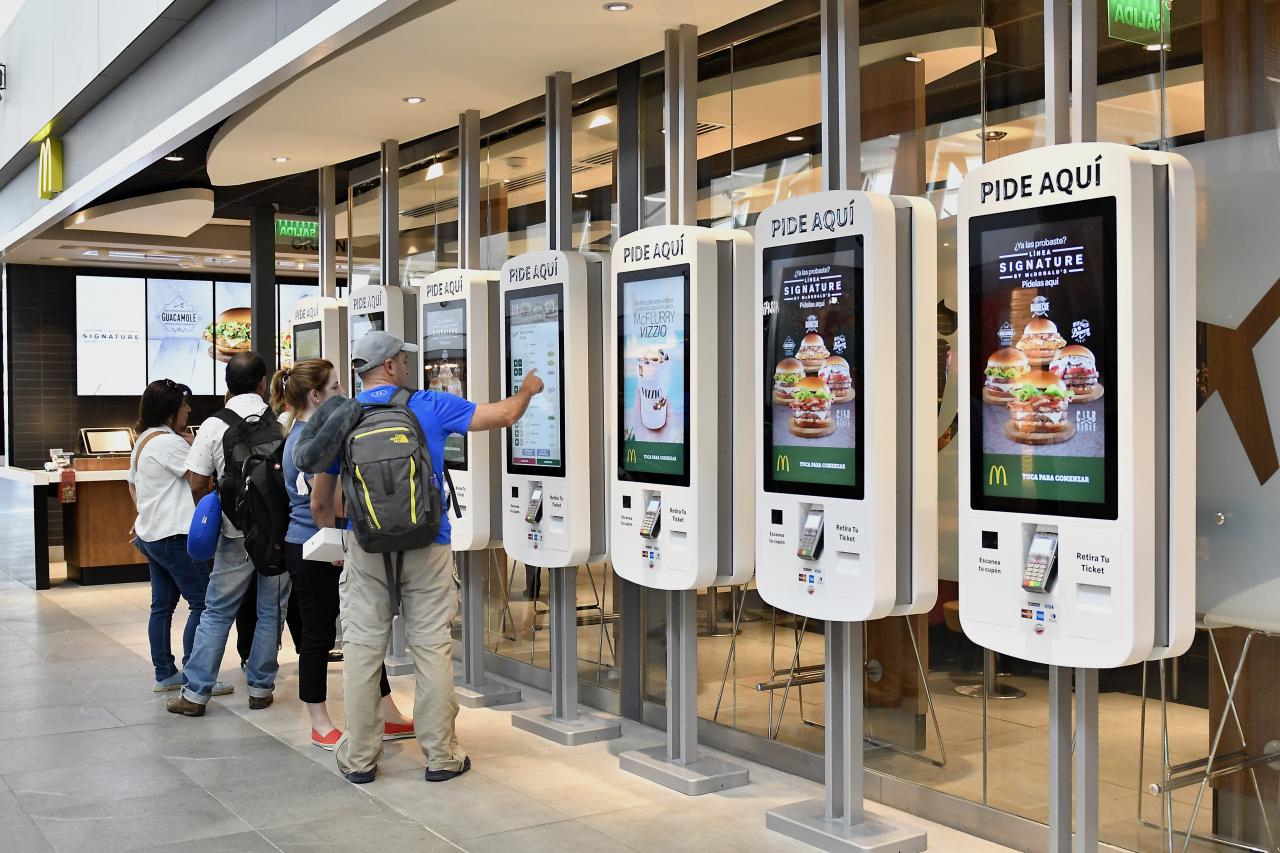
In self-sale totems
✔ 2. Synchronized QR validators
Access is managed with devices prepared to scan hundreds of entries per hour.
These validators:
They work offline
They detect duplicates
They record time and entry point
They control capacity in real time
They synchronize several accesses simultaneously
✔ 3. Control panel for the town hall
The municipal team can see:
Total number of entries
Current capacity
Entries per hour
Doors with the most traffic
Re-entries
Complete statistics of the fair
It is a modern, fast and totally transparent way to manage an event public.
🟦 3. Typical success case: digitization of a municipal fair
Below, we present what would be a typicalsuccess case, without referring to any fair in particular, but based on what usually happens when a city council decides to digitize accesses.
🟩 1. The town council detects the need
The municipality wants to improve:
Security
Capacity control
Fluidity of entries
Transparency
Experience of residents and tourists
Queues and lack of data They had been a problem in previous editions.
🟩 2. A digital access system is implemented
The city council prepares:
Reservation or ticket sales page
Free or paid tickets depending on the fair
Mass sending of digital tickets
Differentiated areas within the venue
Se They deploy several QR validators at the main and secondary doors.
🟩 3. First opening of the
venue When the fair opens, visitors show their QR.
Validators scan in less than a second.
The flow is continuous.
No significant queues are formed.
🟩 4. Real-time capacity control
The panel shows:
2,500 people inside
Remaining capacity
Entry peaks every hour
Alerts if the maximum capacity is approaching
This allows quick decisions to be made.
🟩 5. Zone management
The fair has several areas:
Tasting area
Main stage
Family zone
Workshops
Exhibitors
Each zone can have an independent capacity and controlled access.
🟩 6. Seamless re-entry
People can leave and re-enter without risk of fraud.
The system marks each movement.
🟩 7. Final reports
At the end of the fair, the town hall receives:
Total attendees
Peaks of influx
Entrances per door
Average entry time
Number of re-entries
Statistics for future editions
This completely professionalizes the fair and helps justify budgets or subsidies.
🟦 4. Key benefits for the
town hall ✔ Total queue reduction
Especially if several simultaneous validators are used.
✔ Greater security
Crowds are avoided and capacity is controlled in detail.
✔ Absolute transparency
All data is recorded digitally.
✔ Better experience for neighbors
Fast, clear and confusion-free entries.
✔ Saving personnel
Validators do the work that previously required several people.
✔ Useful data to plan future editions
Reports help make strategic decisions.
🟦 5. Why modern systems are the best option
A professional access control system offers advantages that no manual solution can match:
Scan speed
Multi-door synchronization
Anti-fraud protection
Totem support
Operation without internet
Integration with POS and drinks
Scalability for small fairs or those with thousands of attendees
That is why every year more town councils in Catalonia, Valencia and Aragon digitalize their fairs to take a leap in quality.
🟦 6. Woolando.es: the professional solution for municipal fairs
Woolando offers municipalities a complete system of:
Digital ticketing
QR validation
Real-time capacity control
Self-sale totems
POS for gastronomic fairs
Accreditations for staff and suppliers
Automatic reports
Everything from an intuitive, reliable platform ready for large or small events.
If a municipality wants to modernize its municipal fair, Woolando is the ideal option.